


Buying jewelry for yourself should feel exciting, not intimidating. The best piece isn’t always the right one on paper; it’s the piece you’ll actually enjoy and wear for years. Whether you’re marking a milestone or simply want something beautiful, aim to balance style, practicality, and quality.
Start With How You Want to Wear It
Before comparing diamonds, metals, or prices, decide how this piece will fit into your life. A ring or bracelet for daily wear has different requirements than an earring for a special dinner. Jewelry you wear every day should suit your routine, comfort, and wardrobe.
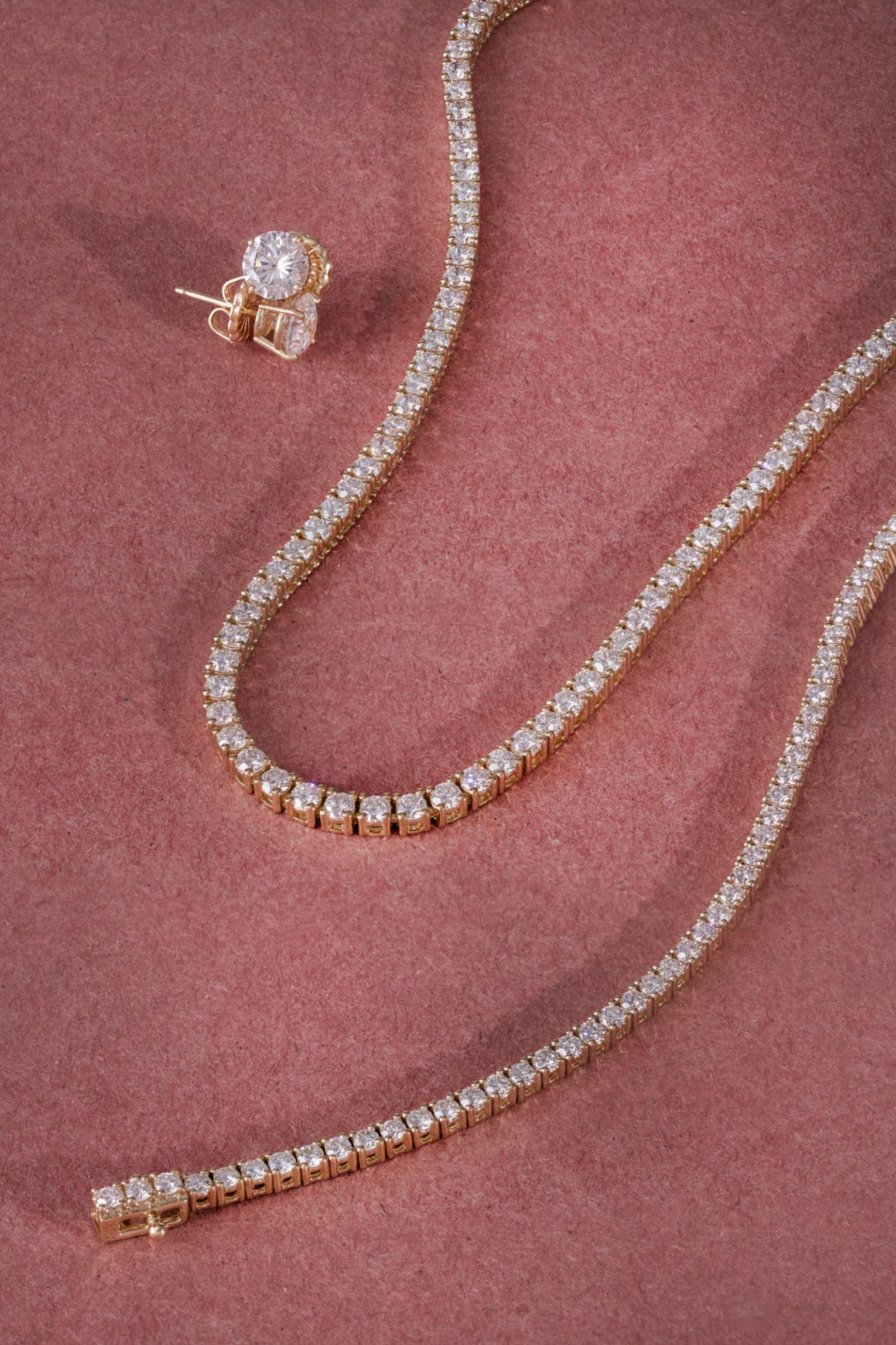
If you type a lot, a low-profile ring may be more practical than a high setting. For easy style, tennis necklaces, diamond studs, or slim hoops tend to offer more versatility than highly specific trend pieces.
Set a Budget Before You Shop

A budget keeps your search focused and helps you spend where it matters most. When you are buying for yourself, there is no reason to follow outdated spending “rules.” Instead, decide what feels comfortable, then divide that budget across the factors that affect beauty and wearability: metal, gemstone quality, craftsmanship, and size.
For diamond jewelry, trusted grading standards make comparisons easier because diamonds are commonly evaluated using the 4Cs.
- Cut: How well the diamond is shaped and how it sparkles
- Color: The absence of color in the diamond
- Clarity: The presence or absence of inclusions and blemishes
- Carat: The diamond's weight and size
Learn the basics of diamond grading before you compare pieces.
Choose the Right Metal for Your Lifestyle
Metal affects both look and care.
- Yellow gold is warm and classic
- White gold is bright and modern
- Rose gold is soft against many skin tones
Karat marks show gold content, so 14k and 18k differ in purity and durability.
For durability, consider platinum. It’s valued for its strength, weight, and natural white color, and is often chosen for secure settings—ideal for daily wear.
Pick One Priority Instead of Chasing Everything
Avoid maximizing every variable. Instead, choose your priority: size, sparkle, timelessness, or versatility. For example, if sparkle is key, prioritize diamond cut quality over carat size. If versatility matters, pick a classic design over a trendy one. This is also where self-awareness helps.
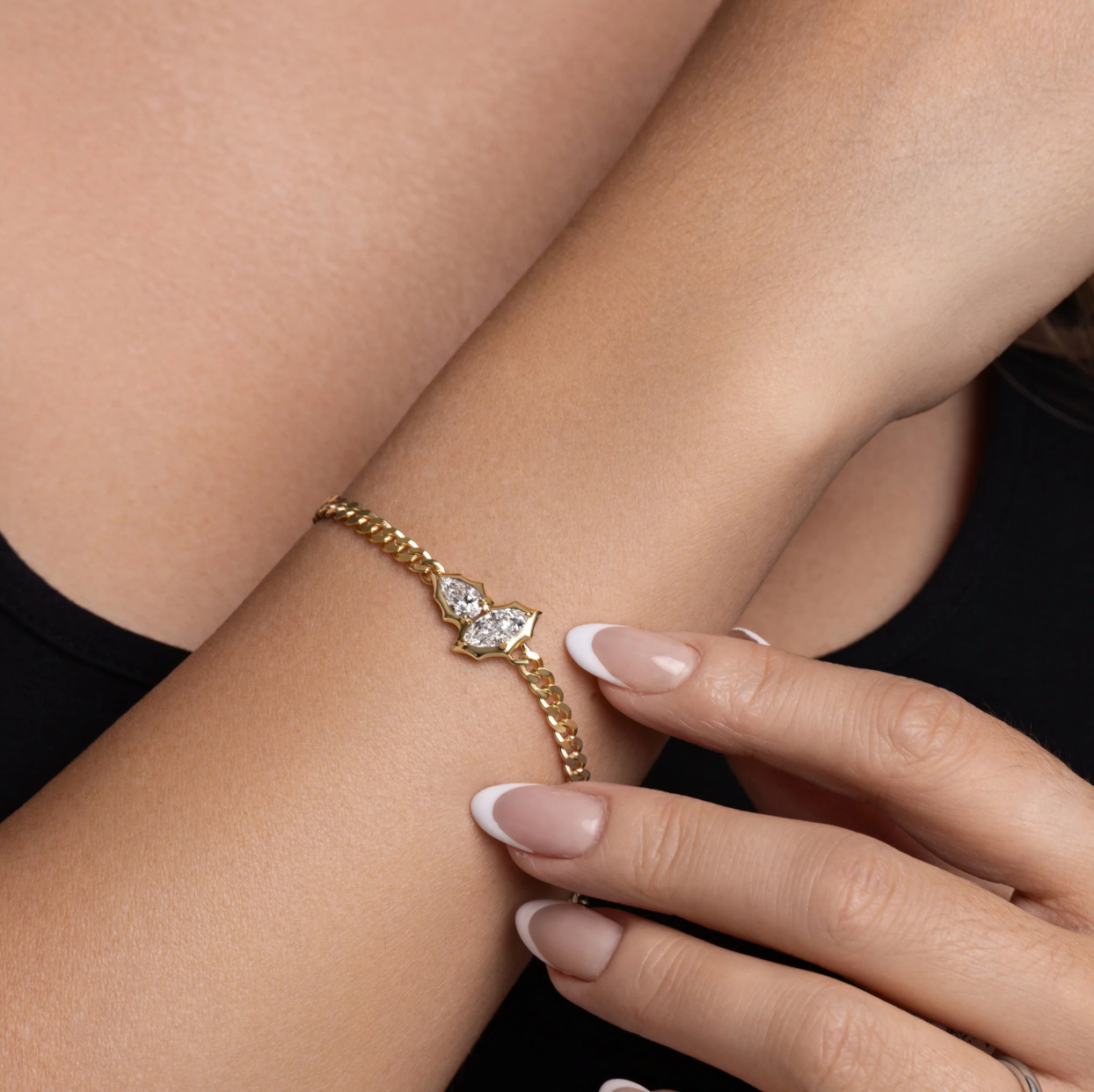
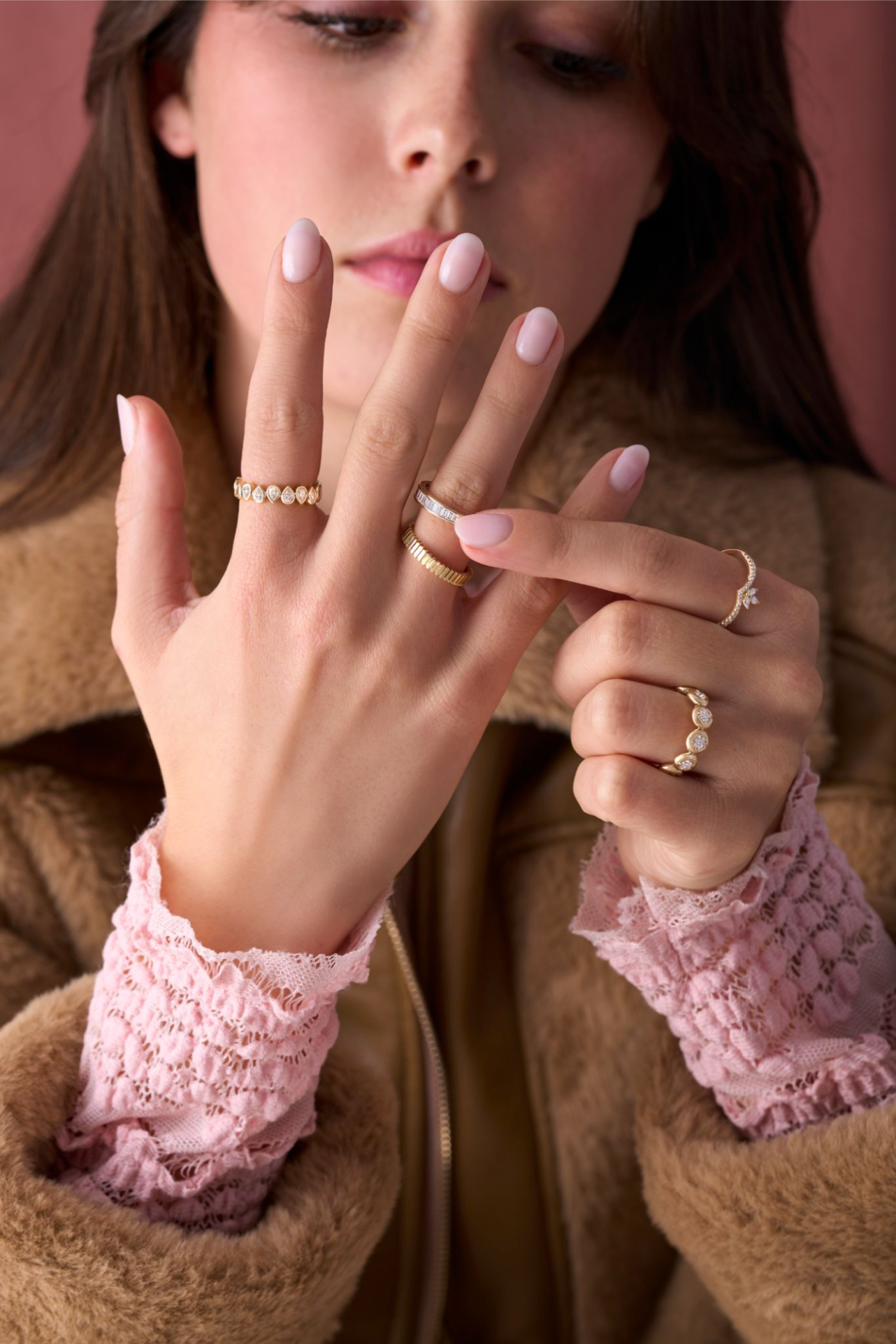
If your style changes often, start with foundational pieces you can wear across seasons. Consider staples like a simple chain necklace, classic stud earrings, huggie hoops, slim band stacks, or an understated tennis bracelet.
These pieces offer versatility, layering, or wearing alone, making them easy to mix and match for a wide range of looks. They may serve you better than a statement piece that only works with one look!
For everyday jewelry, prioritize comfort, durability, and easy styling. Choose low-maintenance rings, secure clasps, and layers that fit your current wardrobe.

For milestone jewelry, go more personal! Unique details, unusual shapes, or a larger center stone make sense when celebrating a meaningful achievement.
Know What Extra Care a Piece May Need
Not all jewelry wears the same way. Pearls, for example, are much softer than most gems, with a hardness of about 2.5 on the Mohs scale. Keep pearls away from harsh chemicals and rough surfaces.
Opals are also delicate and can lose their color or crack with sudden temperature changes or exposure to chemicals; always store them away from direct sunlight and avoid soaking them in water.
Emeralds typically contain small natural inclusions and can be more prone to chipping, so take care to avoid hard knocks and clean them gently with a soft, damp cloth rather than ultrasonic cleaners.
If you want something low maintenance, diamonds, gold, and platinum are usually easier choices than pearls or other delicate gemstone styles.
Buy From a Jeweler Who Gives Clear Information
Confidence matters as much as design. Look for clear product details, transparent descriptions of the metal, and, where relevant, grading information. Most jewelry guides also outline how precious metals and gemstone descriptions should be presented to prevent buyers from being misled.
If you are considering lab-grown diamonds, they can be described as diamonds when they have the same optical, physical, and chemical properties as mined diamonds, so long as the origin is clearly disclosed. This gives you more flexibility in size and budget.
Shop for the Jewelry You Will Actually Love
The best jewelry purchase is the one for you alone, personally. Start with how you live, set a realistic budget, and narrow your choice to pieces that match your taste rather than someone else’s expectations.
Discover engagement rings, necklaces, and earrings at Happy Jewelers. Ready for something unique? Contact us to start creating your custom jewelry piece today!
Share:
Does White Gold Change Color?
What Jewelry Goes Best With Your Wedding Dress?