

Gold has long been a symbol of wealth and luxury. But in today’s world, its sourcing is under scrutiny. Consumers are asking: Where does gold come from? How does it impact the environment? Enter recycled gold—a sustainable alternative that’s gaining traction.
With the growing demand for ethical and eco-friendly choices, recycled gold is reshaping the jewelry, electronics, and financial industries. But what is it exactly? And why should you care? Let’s explore.
Recycled Gold: An Overview
Definition and Sources of Recycled Gold
Recycled gold refers to gold that has been recovered from old jewelry, industrial components, and electronic waste. Unlike newly mined gold, it does not come from the earth but rather from existing sources.
Gold never degrades, which makes it infinitely recyclable. It can be melted down, purified, and reshaped into new products without losing its quality.
How It Differs from Newly Mined Gold
- Sustainability: Recycled gold doesn’t require new mining, reducing environmental damage.
- Ethical Sourcing: It avoids labor exploitation often linked to gold mining.
- Energy Efficiency: Recycling gold consumes significantly less energy than extracting it from ore.
Consumers looking for sustainable choices increasingly prefer recycled gold over newly mined gold.
The Process of Recycling Gold
Collection and Sorting of Gold Materials
Recycling gold starts with gathering materials. These sources include:
- Old or broken jewelry
- Dental fillings and gold crowns
- Electronic components like circuit boards
- Industrial waste from manufacturing
Once collected, gold items are sorted based on purity and alloy composition.
Melting and Refining Techniques
Gold items are melted at high temperatures to separate impurities. Refining techniques include:
- Aqua regia method: Dissolves metals to extract pure gold.
- Electrolysis: Uses electric currents to refine gold to high purity.
- Fire assay: Analyzes and refines gold content in alloys.
These methods ensure that the final product is as pure as newly mined gold.
Quality Control in Recycled Gold Production
Strict quality checks ensure that recycled gold meets industry standards. Certified refineries test gold purity before selling it to manufacturers. This guarantees that recycled gold maintains the same quality as mined gold.
Environmental and Ethical Benefits
Reduced Mining Impact on Ecosystems
Gold mining causes deforestation, water pollution, and habitat destruction. By using recycled gold, we can reduce:
- Soil and water contamination from mining chemicals
- Carbon emissions from mining operations
- Destruction of ecosystems and wildlife displacement
Ethical Sourcing and Labor Concerns
Mining is linked to unsafe labor conditions and human rights violations. Recycled gold eliminates the need for child labor and exploitative practices often found in gold mines.
Carbon Footprint Reduction
Recycling gold requires 99% less energy than mining. This significantly lowers greenhouse gas emissions, making it a more sustainable option.
Uses of Recycled Gold
Jewelry and Luxury Items
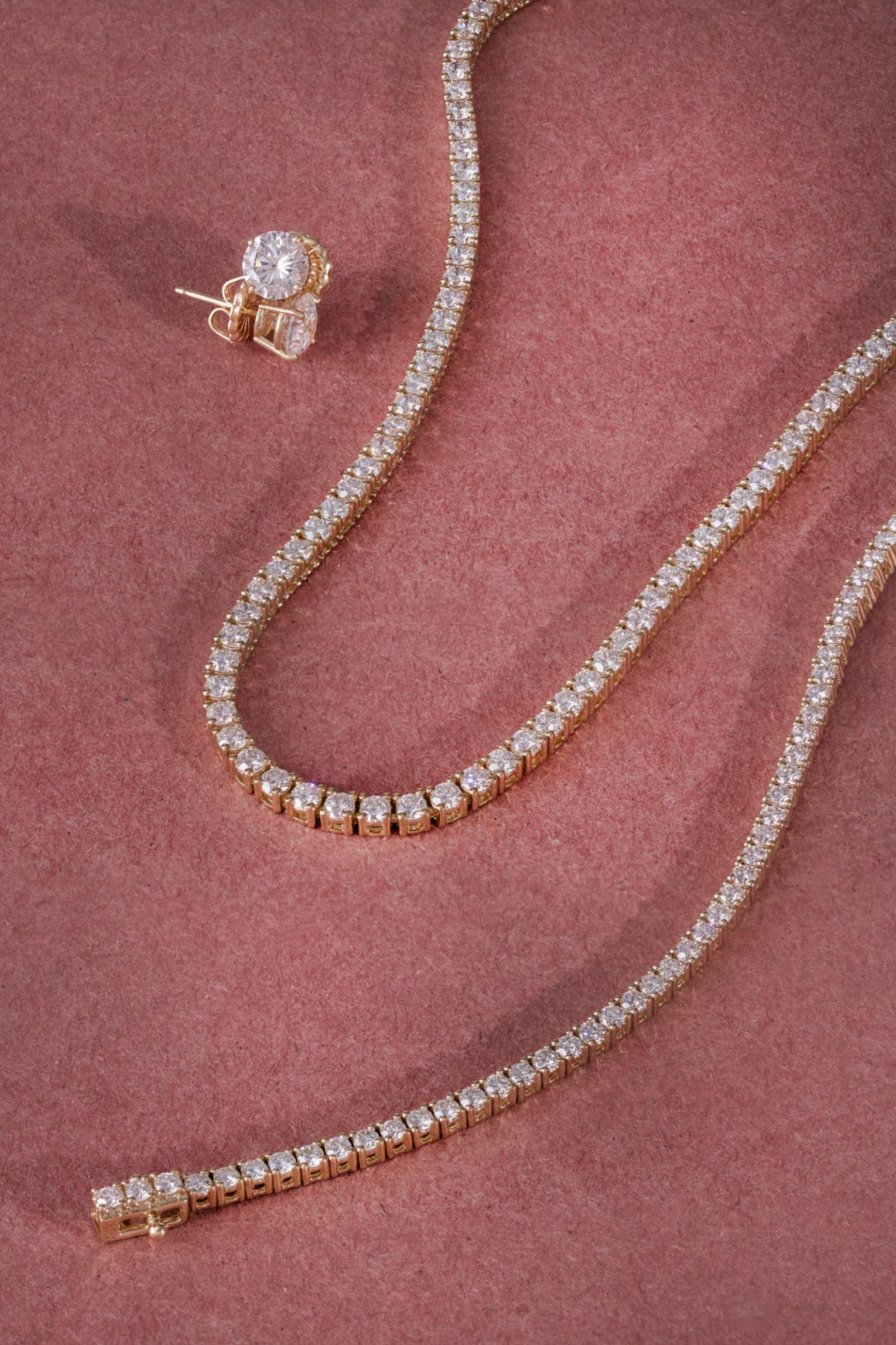
Many brands now use recycled gold to create rings, necklaces, and watches. High-end designers embrace it as an ethical alternative without compromising quality.
Electronics and Technology
Gold is a key component in:
- Smartphones
- Laptops
- Circuit boards
- Medical devices
Recycling gold from old electronics helps recover valuable materials and reduces electronic waste.
Financial Investments
Gold bars and coins made from recycled gold are just as valuable as mined gold. Investors are increasingly seeking sustainable options for their portfolios.
Challenges in Recycling Gold
Purity Concerns and Material Limitations
Recycled gold must be purified to meet industry standards. Impurities from alloys and coatings can complicate the process.
Costs and Labor-Intensive Processes
Recycling gold involves collection, sorting, and refining—steps that require time and skilled labor. These costs can sometimes make recycled gold pricier than newly mined gold.
Market Misconceptions About Recycled Gold
Some consumers mistakenly believe recycled gold is of lower quality. In reality, it is chemically identical to newly mined gold when properly refined.
How to Identify and Buy Recycled Gold
Certifications and Trusted Sources
Look for certifications from:
- Responsible Jewellery Council (RJC)
- Fairmined and Fairtrade Gold programs
- LBMA (London Bullion Market Association)
Pricing and Market Trends
Recycled gold prices fluctuate with the gold market. However, its ethical value makes it a preferred choice among conscious consumers.
Tips for Ethical Gold Purchases
- Check for sustainability certifications
- Buy from reputable jewelers
- Ask brands about their gold sourcing practices
Future of Recycled Gold
Industry Trends and Innovations
Companies are investing in better recycling technologies to improve efficiency. Blockchain tracking is also being used to verify gold’s ethical origins.
Growing Consumer Awareness
As buyers prioritize sustainability, more brands are switching to recycled gold. Consumer demand will continue shaping the future of ethical gold.
The Role of Sustainable Practices in Gold Markets
Major jewelry and tech companies are committing to using recycled gold. This shift pushes the industry towards a more responsible future.
FAQs
How is recycled gold different from mined gold?
Recycled gold comes from existing sources, while mined gold is extracted from the earth. Both have the same purity and value.
Is recycled gold of lower quality?
No. Properly refined recycled gold is chemically identical to mined gold.
What percentage of gold in the market is recycled?
Approximately 30% of global gold supply comes from recycled sources.
Can recycled gold be used for fine jewelry?
Yes, many high-end jewelers use recycled gold to craft luxury pieces.
Is buying recycled gold more expensive?
Prices vary, but recycled gold can sometimes be more expensive due to the refining process and ethical sourcing.
Where can I buy certified recycled gold?
Look for jewelers and dealers certified by the Responsible Jewellery Council or Fairtrade Gold.
Conclusion
Recycled gold is the future of sustainable luxury. It offers a way to enjoy gold without harming the planet or exploiting workers. By choosing recycled gold, consumers support ethical practices while investing in a timeless metal.


Share:
How to Choose the Perfect Jewelry Piece for Your Best Friend
Choosing the Right Chain Length for Men