
A diamond shape can change the price even when the 4Cs look the same on paper. Two diamonds can share the same carat weight, color, and clarity grades, yet one may cost more because its outline is harder to cut efficiently, or if buyers are willing to pay extra for that silhouette.
Gemological guidance notes that many fancy shapes are often more affordable per carat than round brilliants because they preserve more of the original rough crystal during cutting.
The Two Big Reasons Shape Affects Price
First is yield. A diamond begins as a rough crystal, and every cut is a balance between beauty and how much weight is lost. Round brilliants are engineered for strong light return and symmetry, but producing an excellent round often requires sacrificing more rough than many fancy shapes. Lower yield means fewer finished carats per piece of rough, which raises the cost per finished carat.
Second is demand. Rounds remain the most recognized classic engagement-ring shape, so popularity supports a premium in many markets. When a particular fancy shape surges in style, pricing can tighten toward round, but the round premium is still the benchmark many shoppers notice.
How Different Shapes Tend to Price
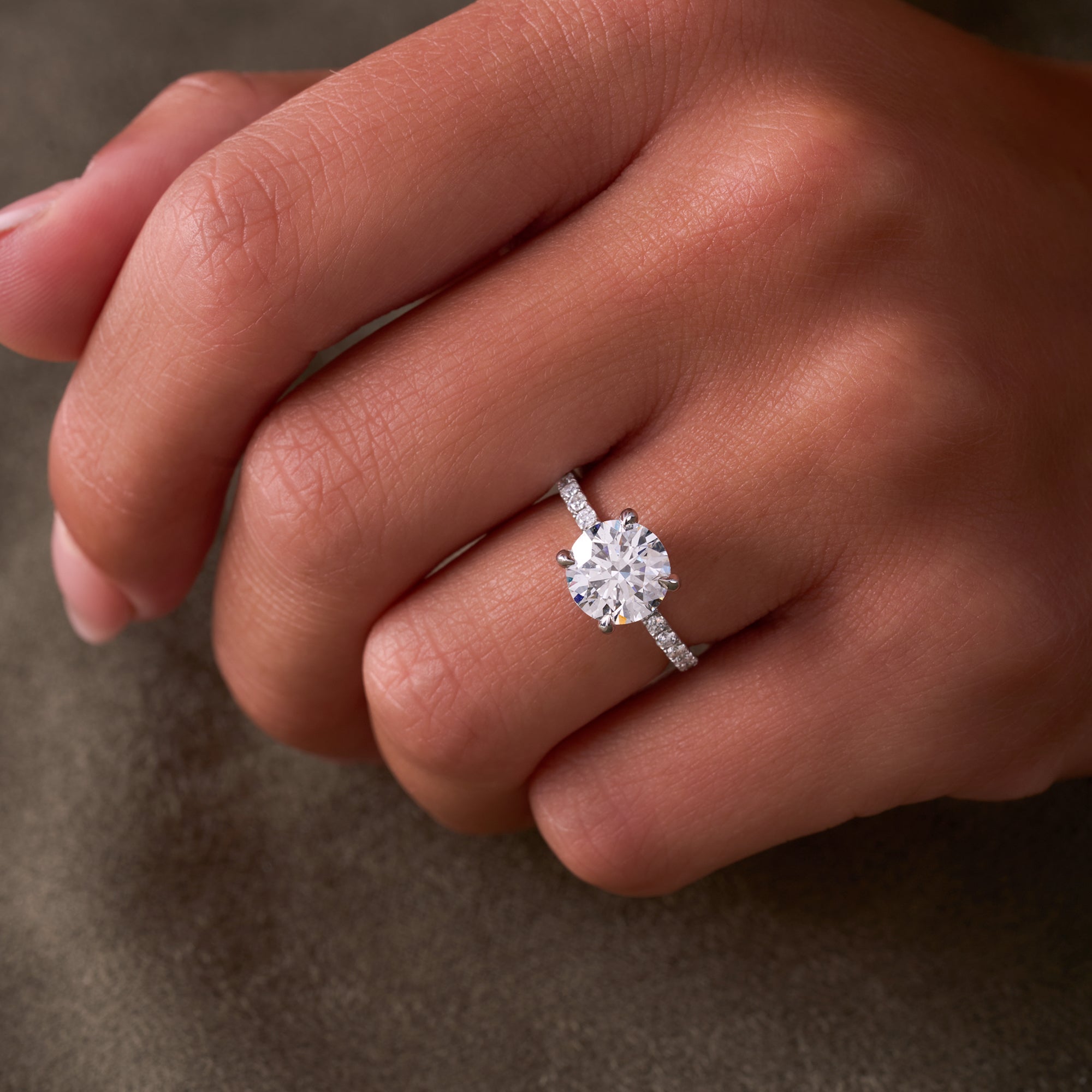
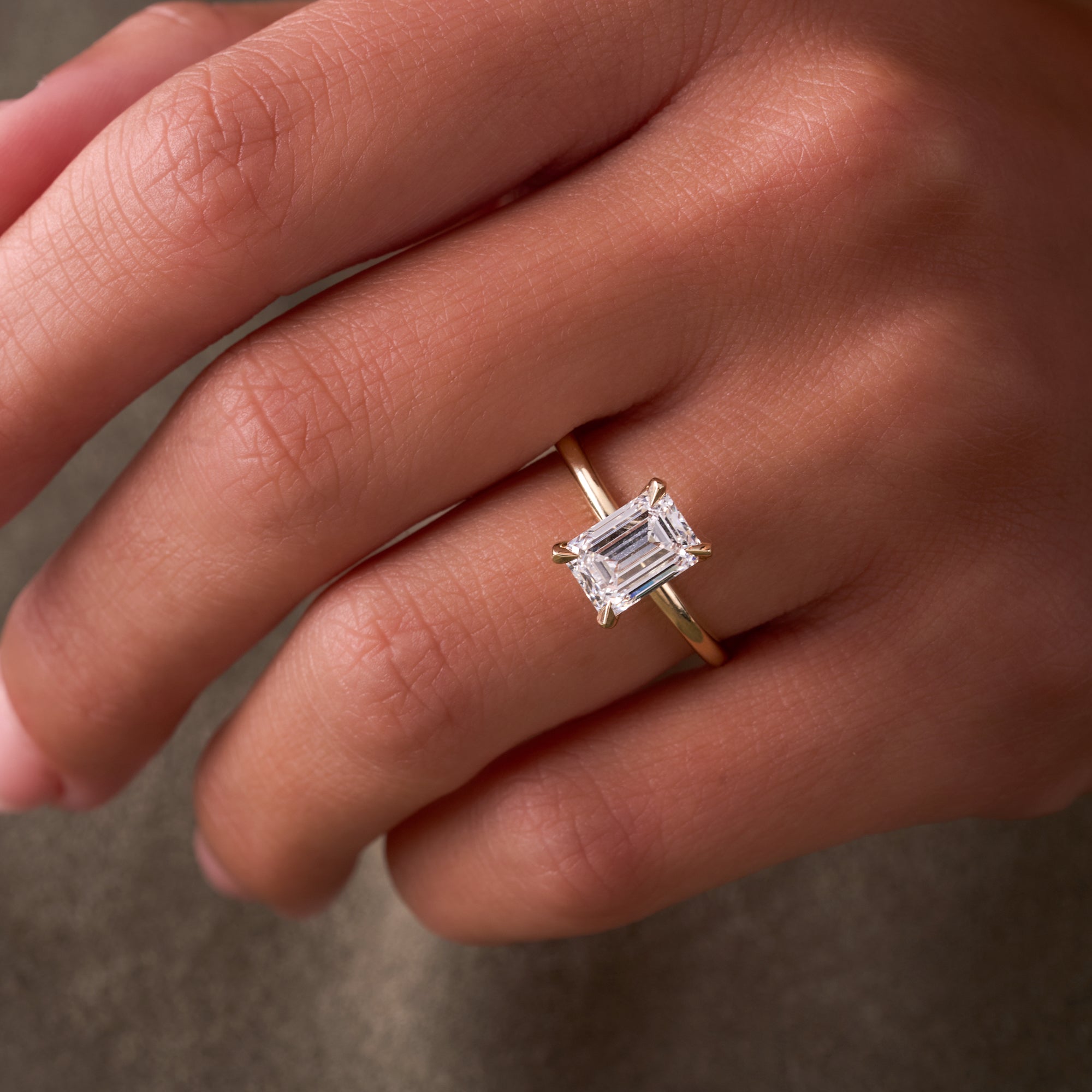
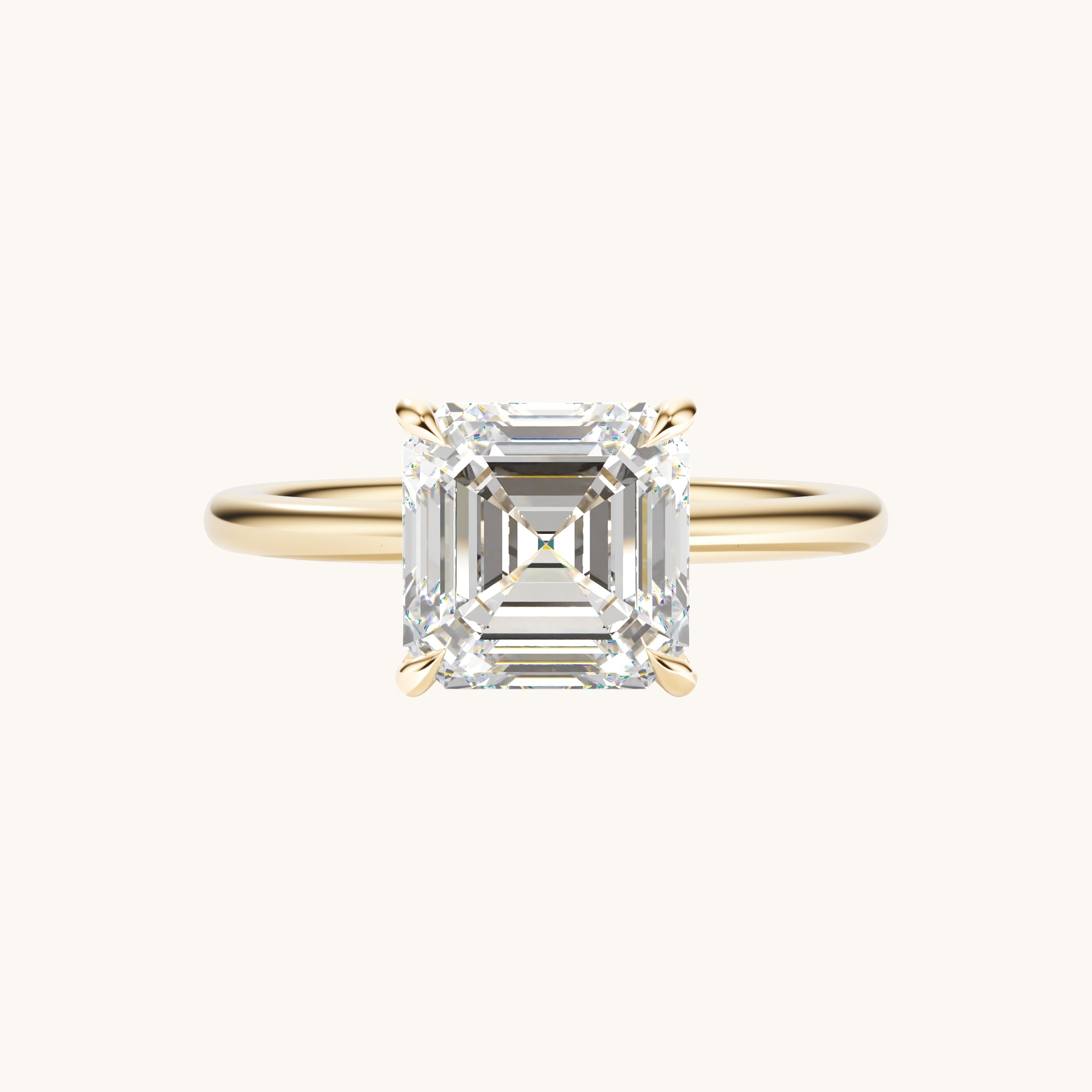
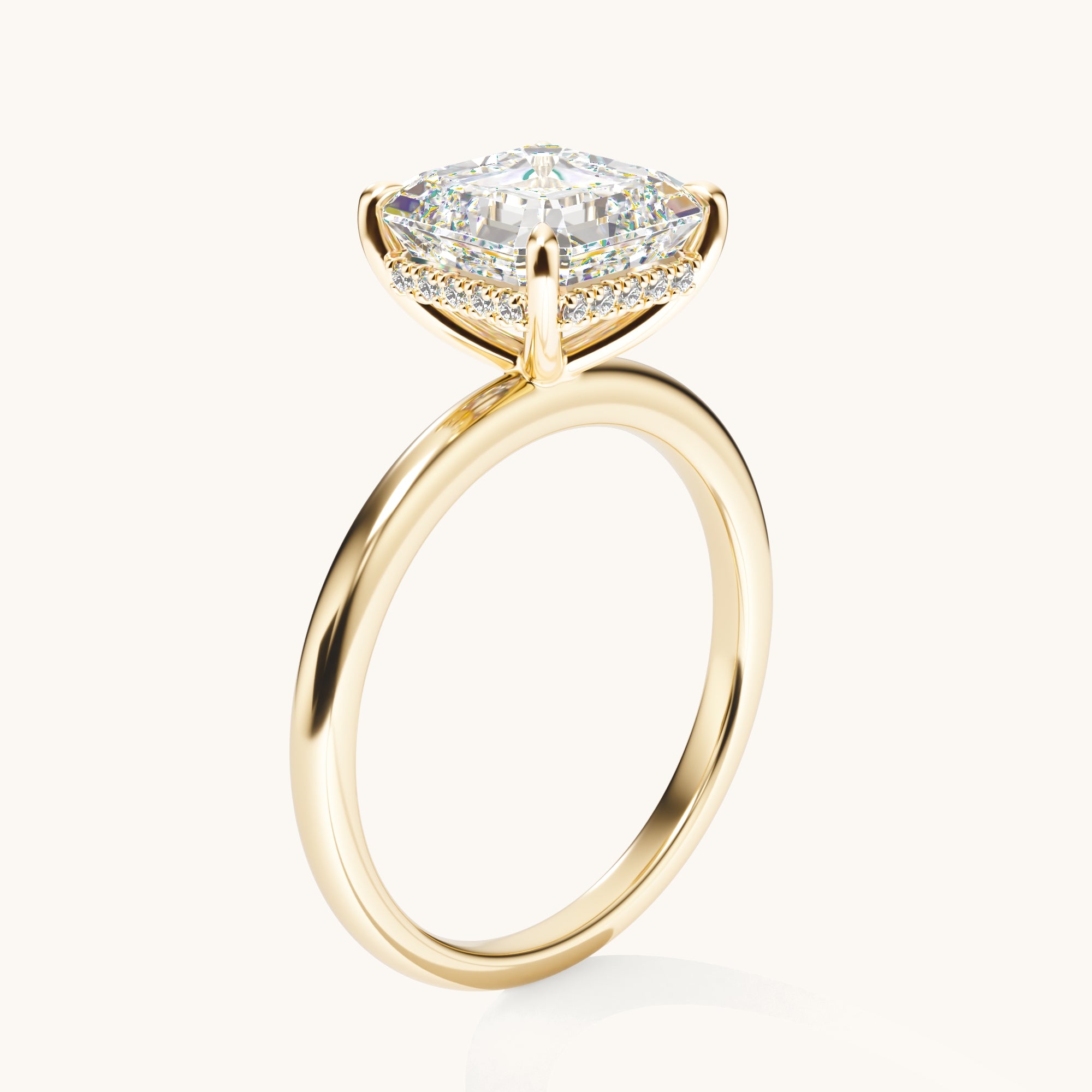
In typical comparisons, round brilliants sit at the top per carat for comparable grades. Shapes that can be cut efficiently from common rough, such as princess and many cushions, are often priced lower per carat. Meanwhile, emerald and Asscher shapes can be attractive value options, though their step-cut facets tend to reveal body color and inclusions more readily.
These aspects might lead buyers towards higher grades, thus narrowing shape-based savings. For those looking to hide inclusions or color, cushion and radiant cuts are particularly effective due to their facet patterns, which can better mask imperfections. This can be a strategic choice for budget-conscious shoppers considering lower-grade stones.
When Fancy Shapes Cost More Than Expected
Not all fancy shapes are easy to cut well. Hearts need crisp symmetry to look balanced. Pears and marquises can show a bow-tie shadow across the center if proportions and facet alignment are off. Princess cuts often hold weight deeper in the stone, so two diamonds with the same carat weight can look different in face-up size.
When cutters chase top performance and clean symmetry in these shapes, they may accept lower yield or reject borderline rough, and the best stones can price closer to round than shoppers expect.
How Shape Changes Size for the Money
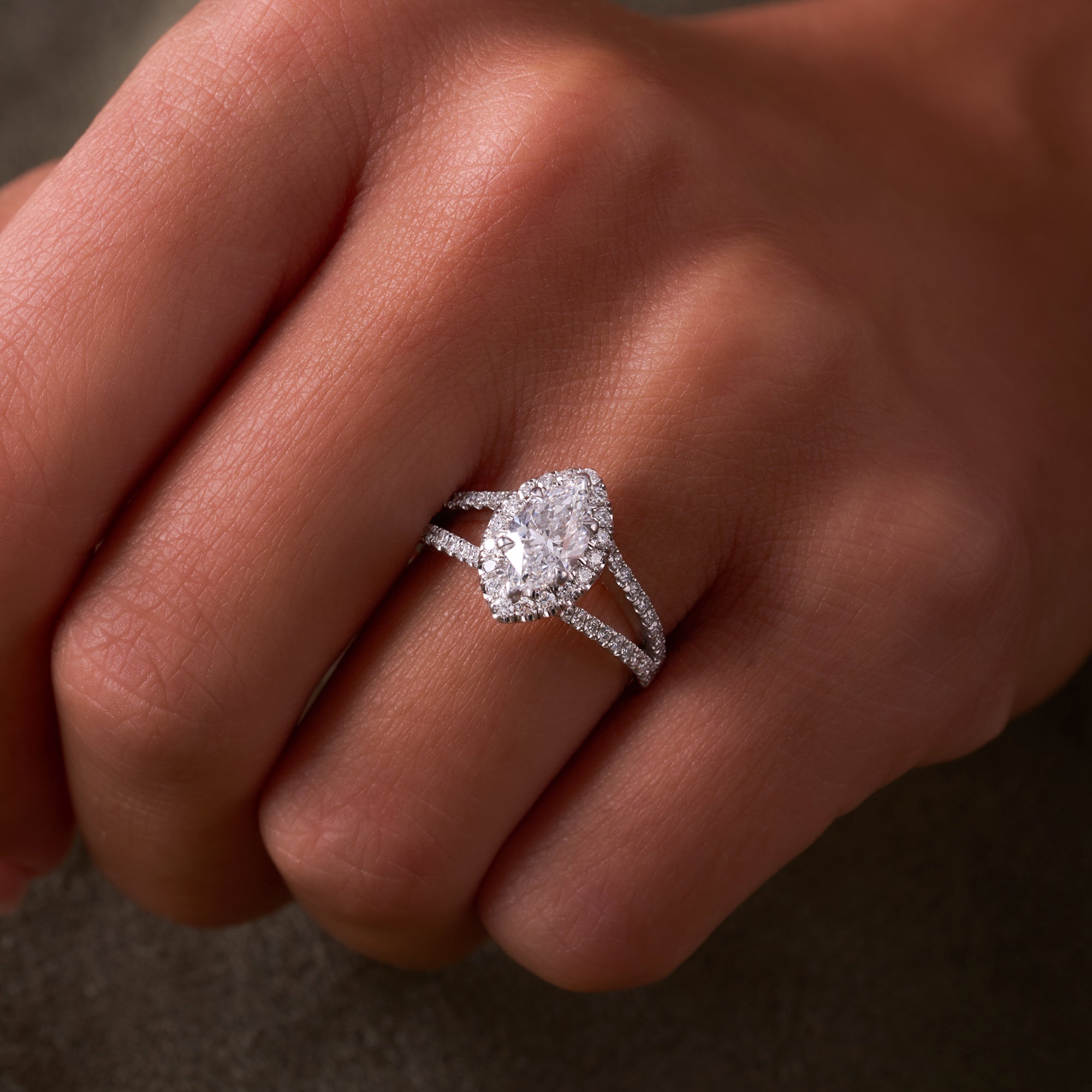
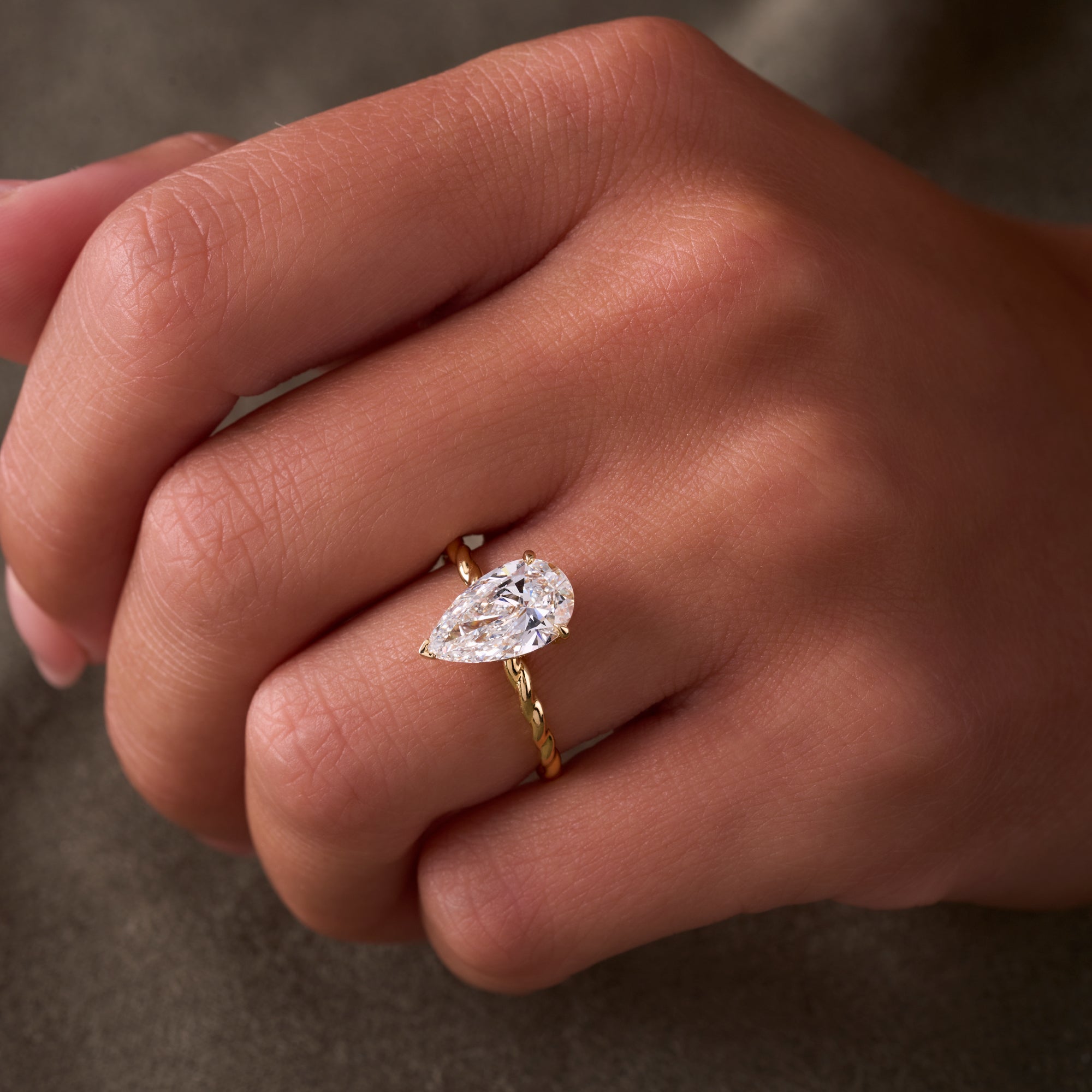
Shape influences how large a diamond looks from the top. Elongated cuts such as oval, marquise, and pear often have more face-up spread for the same carat weight, so they can appear bigger while staying in a lower price-per-carat band. That bigger look is one reason these silhouettes are popular for budget-stretching.
Step cuts, by contrast, can look refined and architectural, but they reward careful selection in color and clarity.
How to Compare Diamond Shapes Fairly
If you compare 1.50-carat diamonds across shapes without matching the details, you will get misleading results. To make a fair comparison, follow these steps:
-
Match the grading report type and core grades (carat, color, clarity). For example, ensure both diamonds have reports from the same grading organization and have similar carat weight, color, and clarity grades.
-
Compare the cut quality appropriate to that shape. For instance, if you are comparing round brilliants, focus on the ideal cut grade listed.
-
Compare millimeter measurements, not just carat weight. A 1.50-carat oval can vary in length and width, affecting both its presence on the hand and its value.
A Quick Way to Choose the Best Value for You
If your priority is classic sparkle and broad mainstream demand, a well-cut round is the safe choice, but it comes at a premium price. If you want the biggest look for the spend, consider an oval, pear, or marquise shape, and choose a setting that protects the pointed tips.
If you love clean lines, emerald and Asscher deliver a sharp, elegant look, but plan your color and clarity carefully so the stone still looks bright.
Explore Diamond Shapes at Happy Jewelers
To quickly compare silhouettes, browse Happy Jewelers’ engagement ring collection. If you already like an elongated outline, their lab-created oval engagement rings make it easier to compare proportions without jumping between categories.


Share:
How to Clean Silver Jewelry
Engagement Ring Engraving Ideas