


Engagement rings consist of several components, each serving a distinct function and aesthetic purpose. Understanding engagement ring anatomy means knowing how each part, from the center stone and its setting to the band, accent stones, and gallery, works together to create a beautiful, durable ring.
Knowing these parts can help you make informed choices about design, metal, and stone, ensuring the ring reflects your personal taste and style.
Center Stone
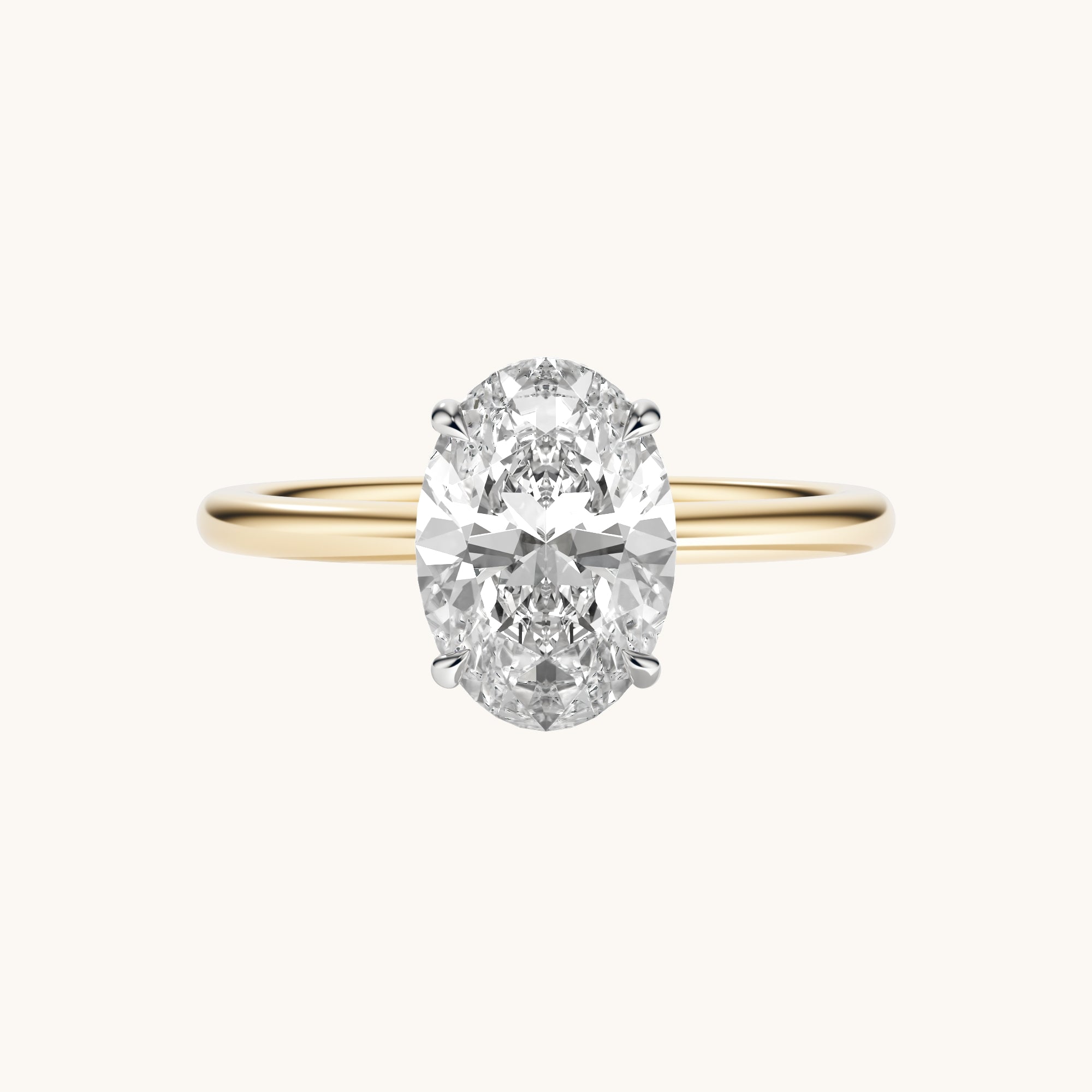
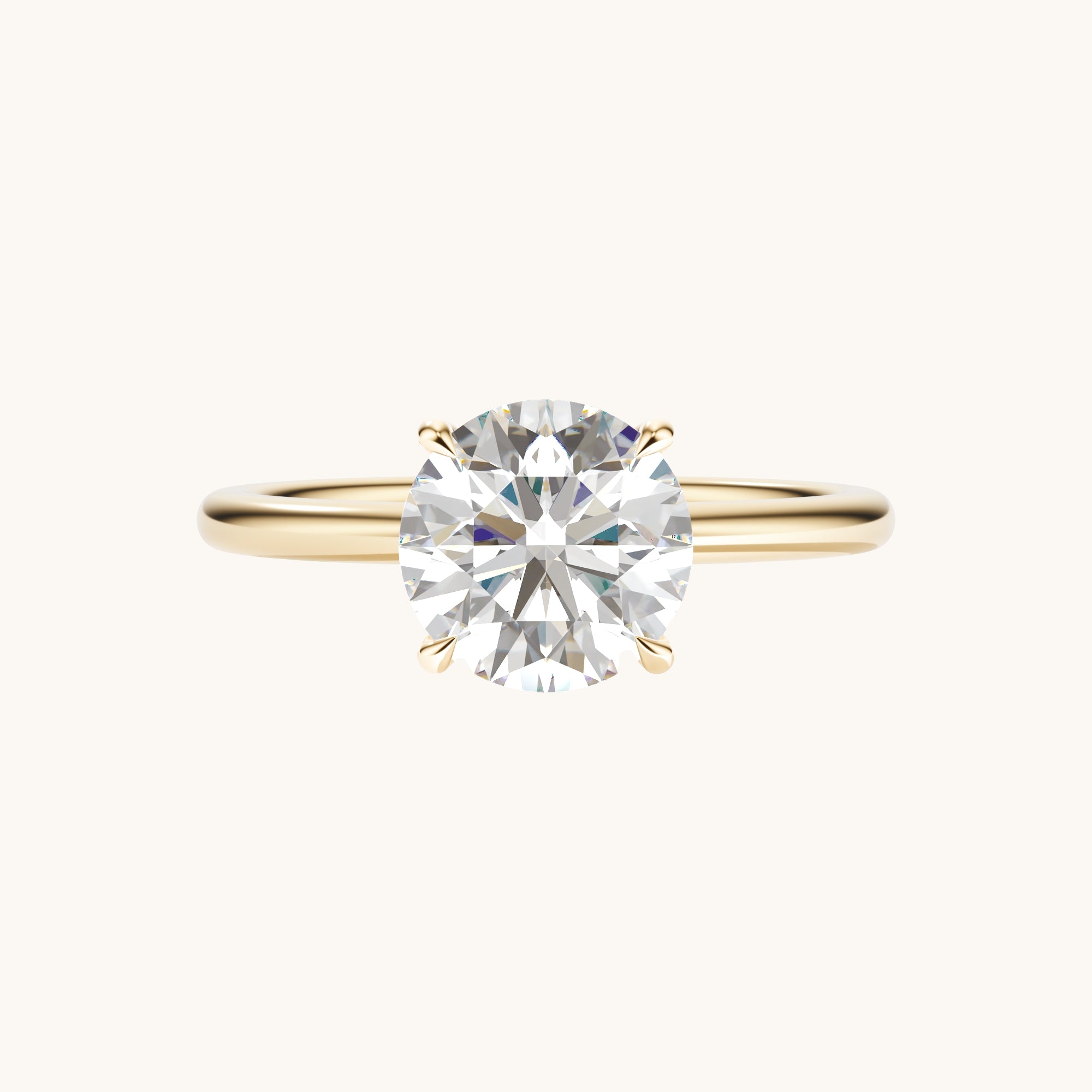
The center stone is the focal point of an engagement ring and usually the largest, most valuable element. Traditionally, it’s a diamond, though many couples choose colored gemstones (sapphires, emeralds, moissanite, etc.) for personal style.
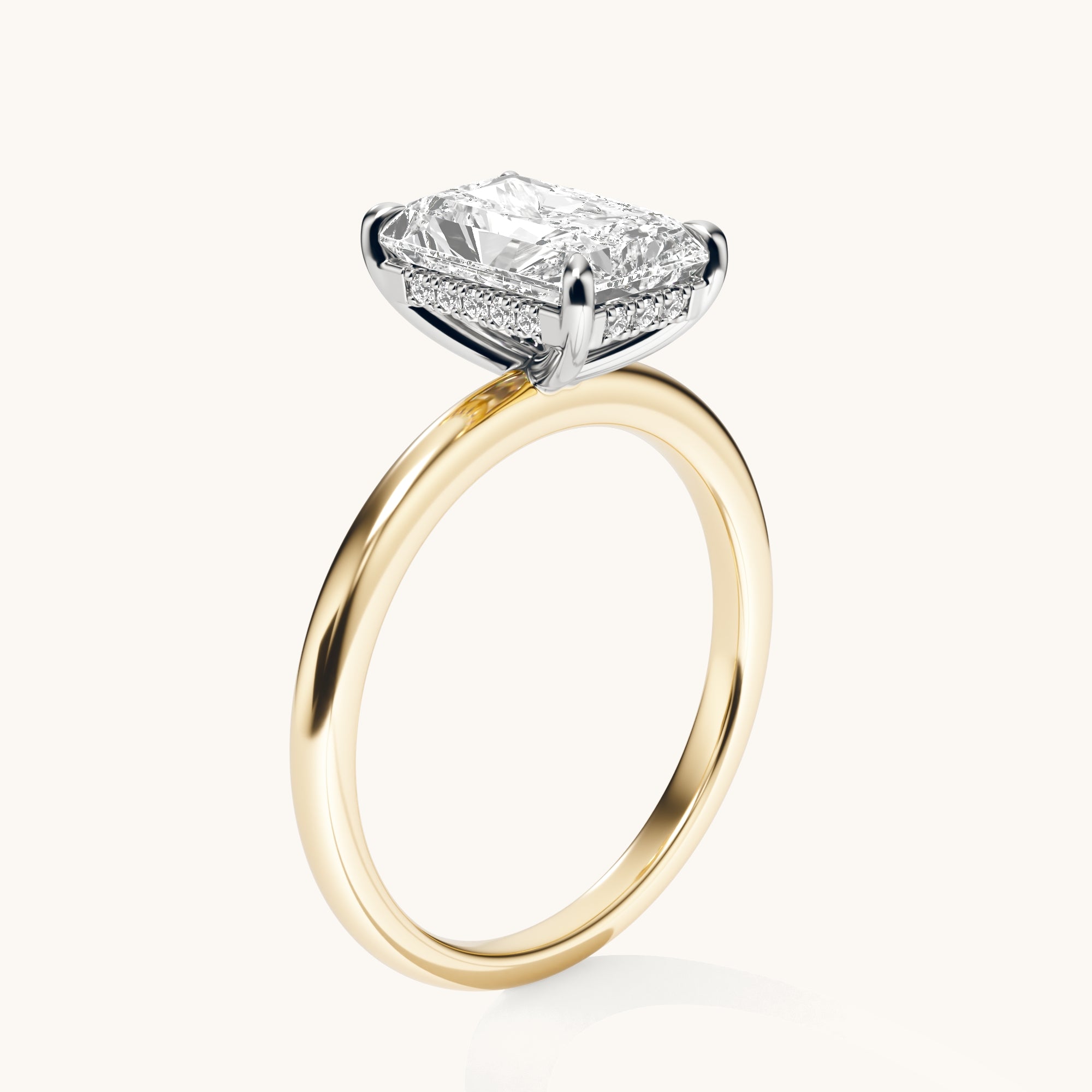
When selecting a center stone, consider the shape (round, princess, oval, marquise, etc.), the 4Cs — cut, color, clarity, carat — and the gem’s hardness and durability. For instance, round brilliant diamonds have 57–58 facets designed to maximize sparkle, while step-cut stones (emerald, Asscher) have fewer facets and require higher clarity for the same brilliance.
Setting and Prongs
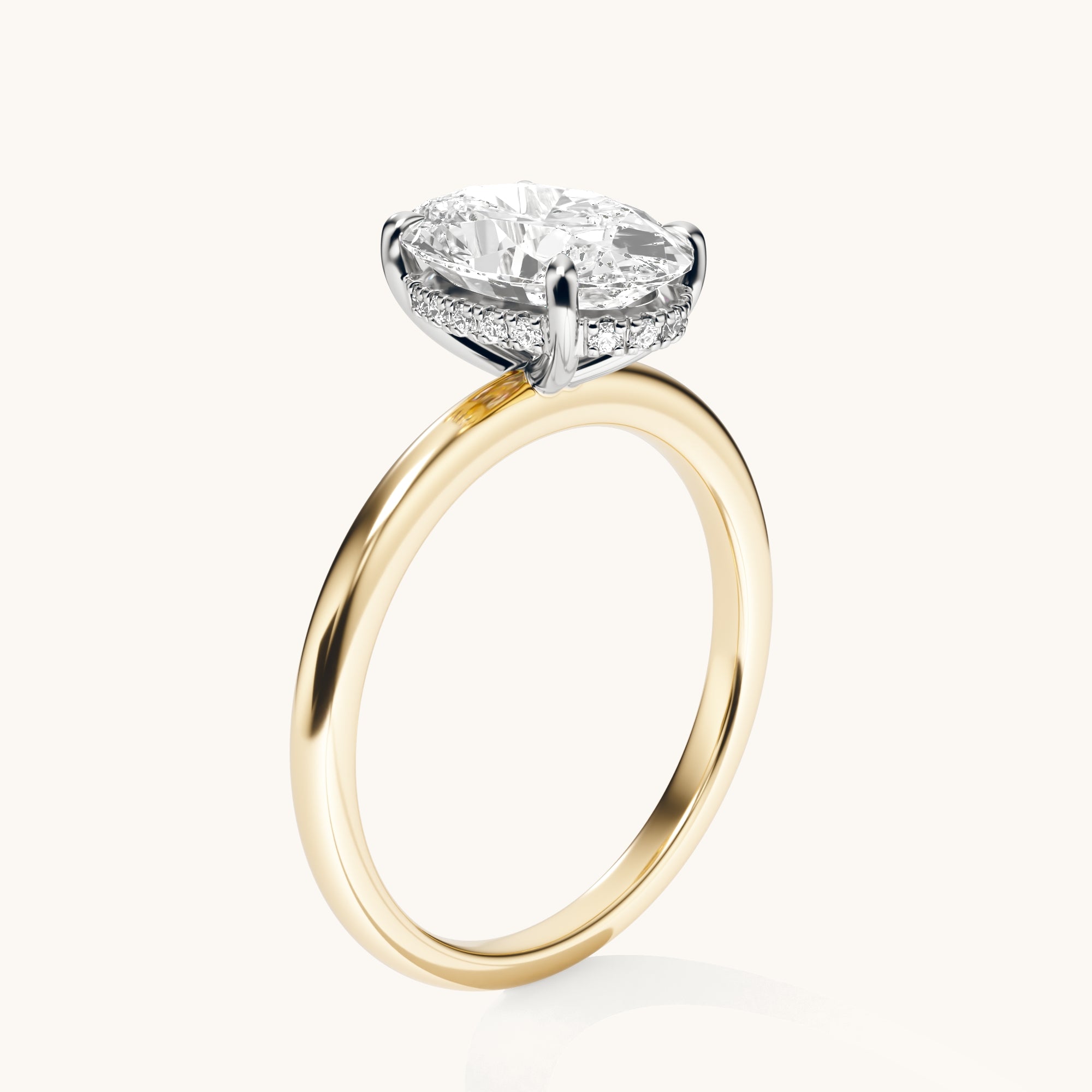
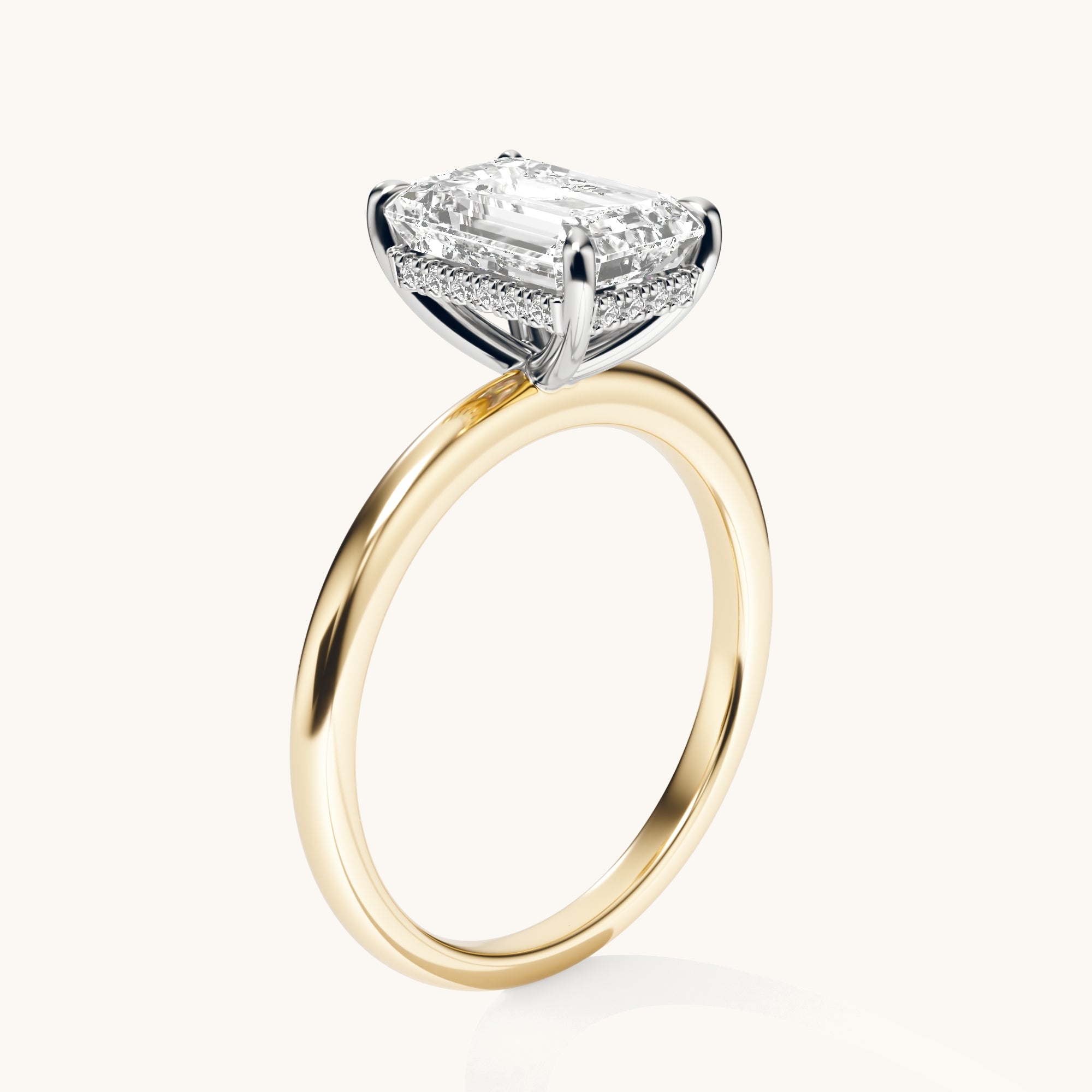
The setting is the metal framework that holds the center stone securely. Common setting styles include solitaire (a single stone with no side stones), halo (the center surrounded by a ring of smaller gems), three-stone (two side stones flanking the center), bezel (metal rim encircling the stone’s girdle), pavé (small gems set into the band), and more.
Prongs — metal claws that hold the stone in place — come in numerous shapes, such as V-tip, flat, or claw, and should be well-designed for both durability and security. With time, prongs can wear, and that’s why reputable jewelers always recommend regular inspections.
For instance, a six-prong setting provides an extra protection comparable to four prongs; meanwhile, a bezel setting encircles the stone completely, offering maximum security but slightly reducing light exposure.
Band (Shank) and Shoulders
The band or shank is the circular metal piece that wraps around your finger. It provides the foundation and comfort of the ring. Bands can be plain metal or decorated with engraving or small accent stones. Width and thickness vary: a wider shank (3mm or more) adds support for heavy settings but can feel bulkier, while a thinner band is daintier and lighter.
Common metals for bands are gold (yellow, white, or rose) and platinum. These metals are prized for durability; as GIA notes, a diamond engagement ring is often made of gold or platinum because they are “highly durable” and can withstand many years of daily wear.
White gold is typically rhodium-plated to enhance whiteness, while platinum naturally remains white. The shoulders of the band are the sections that meet the head of the ring; shoulders may taper, split, or fan out, and can be plain or set with side stones to lead the eye to the center gem.
Inside the band, look for a hallmark stamp indicating metal purity (e.g. “14K” for 14-karat gold or “PT950” for platinum 95%). The FTC’s Jewelry Guides require that sellers truthfully disclose metal content and quality, so this stamp and any accompanying brand mark or certification mark help verify authenticity.
Gallery and Bridge
Underneath the center stone, the gallery and bridge form the hidden structure of the ring. The gallery is the space seen when looking at the ring from the side. It can be open to allow light to enter the stone from below (enhancing brilliance) or decorated with filigree, engraving, or tiny diamonds for added beauty.
A well-designed gallery adds elegance and also helps support the stone. The bridge is the metal arch or bar that connects the head (setting) to the band on the underside; it actually rests against your finger when worn. This bridge provides crucial structural support, helping the ring sit upright and prevent the center stone from twisting.
In many designs, the bridge is left smooth and hidden, but some custom rings even feature carved details or side diamonds on the bridge for a “secret” decorative touch.
Accent and Side Stones
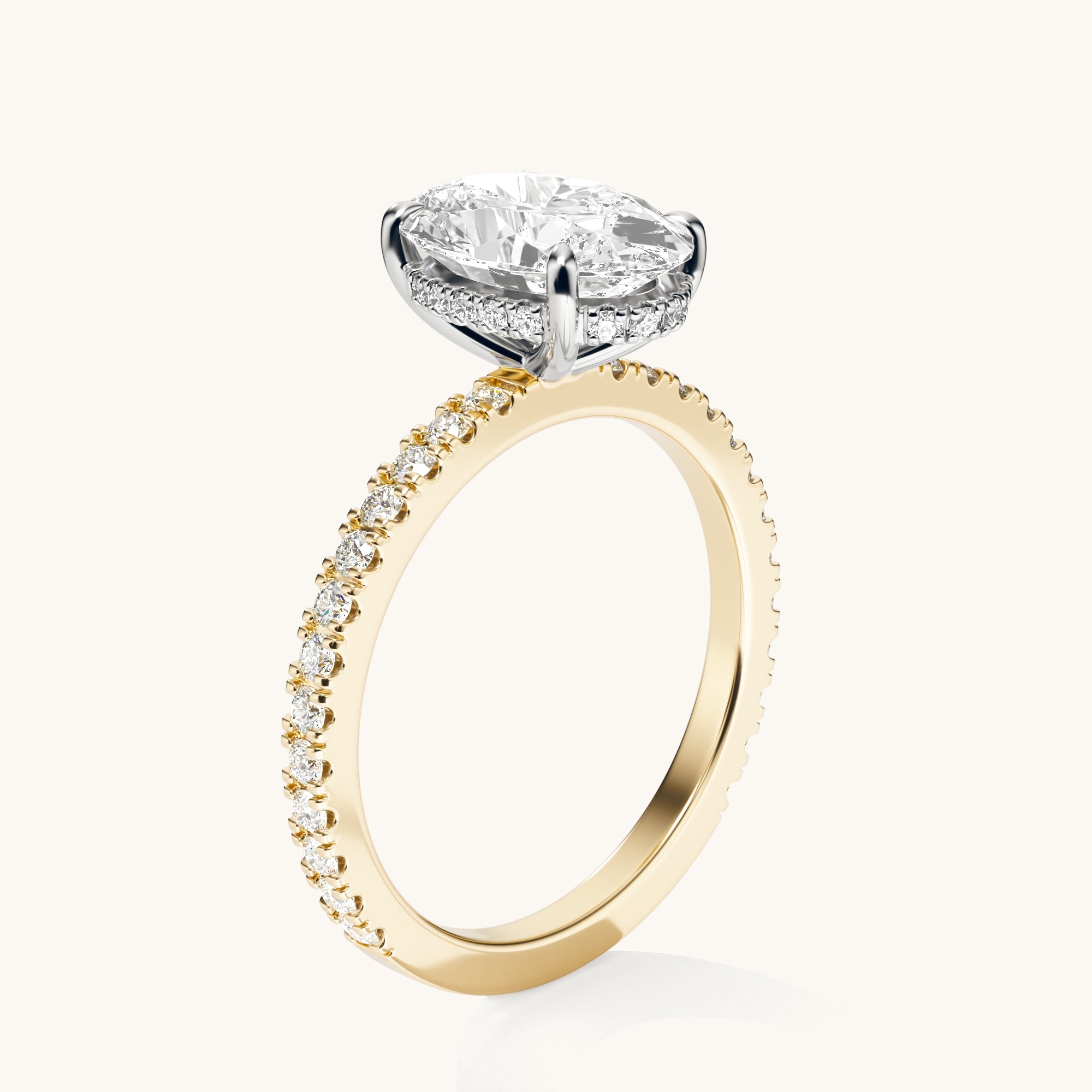
Many engagement ring designs incorporate accent stones for extra sparkle. Side stones are larger gems set on either side of the center stone. This is common in three-stone rings or when using tapered baguettes or round diamonds alongside the center. Pavé stones are very small diamonds set closely along the band or around the center in a halo.
A halo setting encircles the center with small diamonds, making the center appear larger and more radiant. Channel or bar settings can hold side or channel stones flush within the band, protecting their edges.
Accent stones draw attention to the center and add brilliance, but they also increase cost and complexity. When choosing accent stones, coordinate their color and cut with the center: matching round accents to a round center, or mixing shapes, like using tapered baguettes, for an eye-catching look.
Customization Considerations
Every element of the engagement ring anatomy can be customized. You may select a specific metal (for example, durable platinum vs. warmer rose gold), a unique setting style, special prong shapes, and meaningful engraving on the band.
When customizing, keep practical concerns in mind: people with very active lifestyles often prefer low-profile, sturdy settings (to avoid snagging) and simpler designs, while those wanting maximum sparkle might choose higher-set heads with multiple accent stones.
Remember also to verify authenticity: FTC guidelines mandate honest disclosure of features, so be sure the final design includes hallmarks or certificates confirming gemstone origin (natural vs. lab-grown) and metal purity. e.g. if a ring is advertised as 18K gold or a natural diamond, the paperwork and stamps should match.
A common customization is the ring’s engravings or personal details. The inner band (sizing area) is usually smooth, specifically to allow for this. You might engrave a message, date, or special symbol there.
Conclusion
Knowing the key components of an engagement ring, from the center stone and prongs to the shank, gallery, and bridge, shapes its appearance and durability. With this understanding of the ring anatomy, you can ask your jeweler for the details that not only shine elegantly but also meet your lifestyle needs.
Explore designs at Happy Jewelers and spot quality work to meet your practical needs!


Share:
Real vs. Fake Pearls: 5 Ways to Know the Difference
Men's Tennis Necklace Size Guide: Choosing the Right Length, Width & Carat