


Traditionally, the wedding band sits closest to the heart on the left ring finger, with the engagement ring stacked above it. That means after the ceremony, you’ll typically wear: wedding band (bottom) + engagement ring (top). This order is both symbolic and practical—the plain band often fits flush against the finger and protects the engagement ring’s prongs from everyday knocks.
Ceremony tip: Before the vows, move your engagement ring to your right hand. After exchanging bands, slide the engagement ring back on top of the band. If your engagement ring won’t fit your right hand, you can keep it in a safe pouch and put it back on afterward.
Which Hand Do You Wear a Wedding Ring Set?
If you live in the U.S., Canada, the U.K., or most of Europe, you most likely wear your wedding ring on your left-hand ring finger. Some countries (e.g., parts of Eastern Europe and Latin America) wear theirs on the right-hand ring finger.
Ultimately, there’s no “wrong” choice—the meaning is the same. If your heritage follows right-hand tradition but you live somewhere left-hand oriented, choose the option that feels most “you.” Consistency in daily wear is what matters.
Adding an Eternity Band (or Anniversary Ring)
If you’re wearing three rings: wedding band, eternity band, and engagement ring, you have two popular stacks:
- Symmetry Stack: Wedding band (bottom) → engagement ring → eternity band (top).
- “Ring hug” Stack: Eternity band (bottom) → engagement ring → wedding band (top).
The right stack depends on comfort and proportion. Try both in person: eternity bands can have taller profiles that change how the engagement ring sits, especially under gloves or when gripping a stroller handle or laptop.
Bridal Sets, Enhancers, and Guards
- Bridal Set: Band and engagement ring designed together to nest perfectly, no spinning, no gaps.
- Ring Enhancer/Guard: A contoured frame that cradles your engagement ring, creating the look of a wider band or double halo while locking everything in place. Great if your solitaire sits high or if you want extra sparkle without a loose stack!
Comfort & Practicality (Read This Before You Size)
- Fit for Finger Shape: Some fingers are more tapered at the knuckle; others are wider at the knuckle and narrower at the base. If your rings spin, ask about sizing beads, a comfort-fit shank, or oval (“European”) shanks that resist twisting.
- Lifestyle Check: If you lift weights, rock climb, or work with your hands, consider lower-profile settings, bezel-set solitaires, or wearing just the band for activities.
- Seasonal Swelling: Fingers change size with heat, salt, and time of day. Try rings on in the afternoon for a realistic fit.
- Metal Mixing: It’s perfectly fine to mix metals (e.g., a platinum engagement ring with a yellow gold band). For a cohesive look, echo one element like matching finishes (polished vs. brushed) or repeating a pavé style.
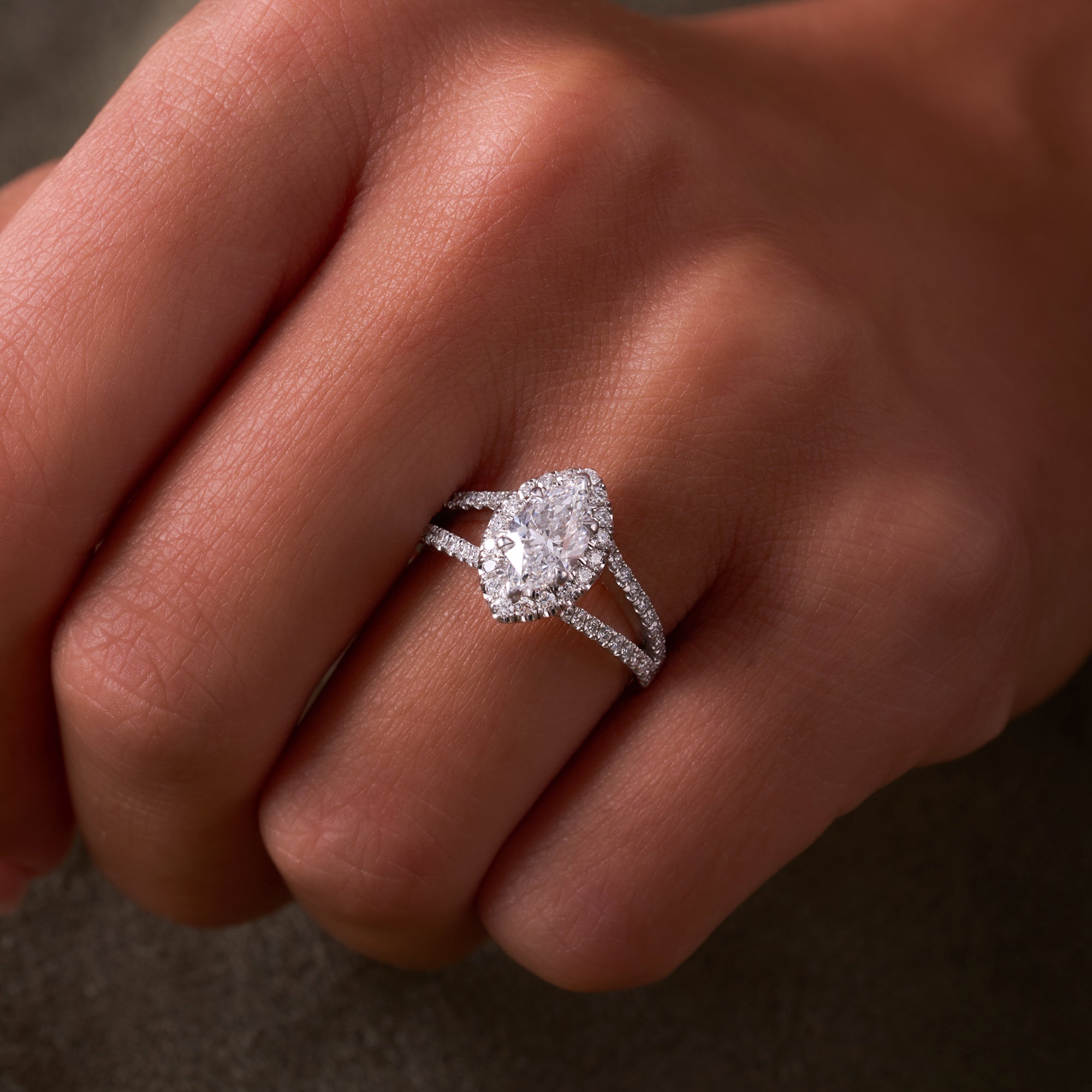
- Protect the Points: If you love a princess- or marquise-cut, ensure V-prongs protect the tips, especially when stacked.
Spacing and Gapping: Flush vs. Floating
A gap between your rings can be intentional. Flush-fit bands slide under the engagement head for a seamless look, while notched/contoured bands gently curve around the setting.
Straight bands can create a chic, architectural space, a deliberate floating solitaire effect. Try all three styles with your exact ring; 1–2 mm differences in height change everything.
Style Formulas That Always Work
- Sleek Modern: Thin pavé band + bezel-set solitaire on top.
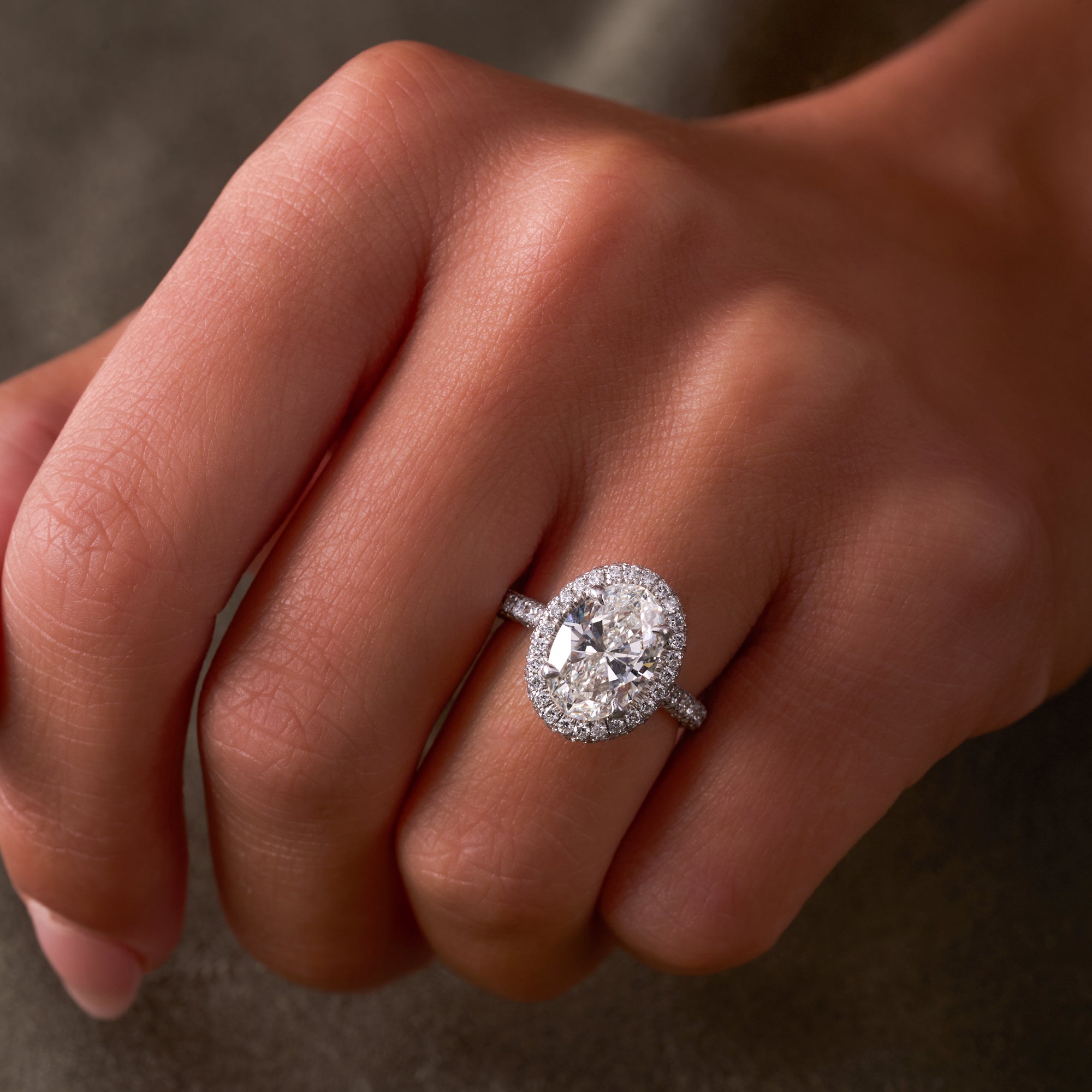
- Vintage Romance: Milgrain diamond band under an oval halo engagement ring.
- Bold Symmetry: Channel-set band + princess-cut solitaire + diamond eternity topper.
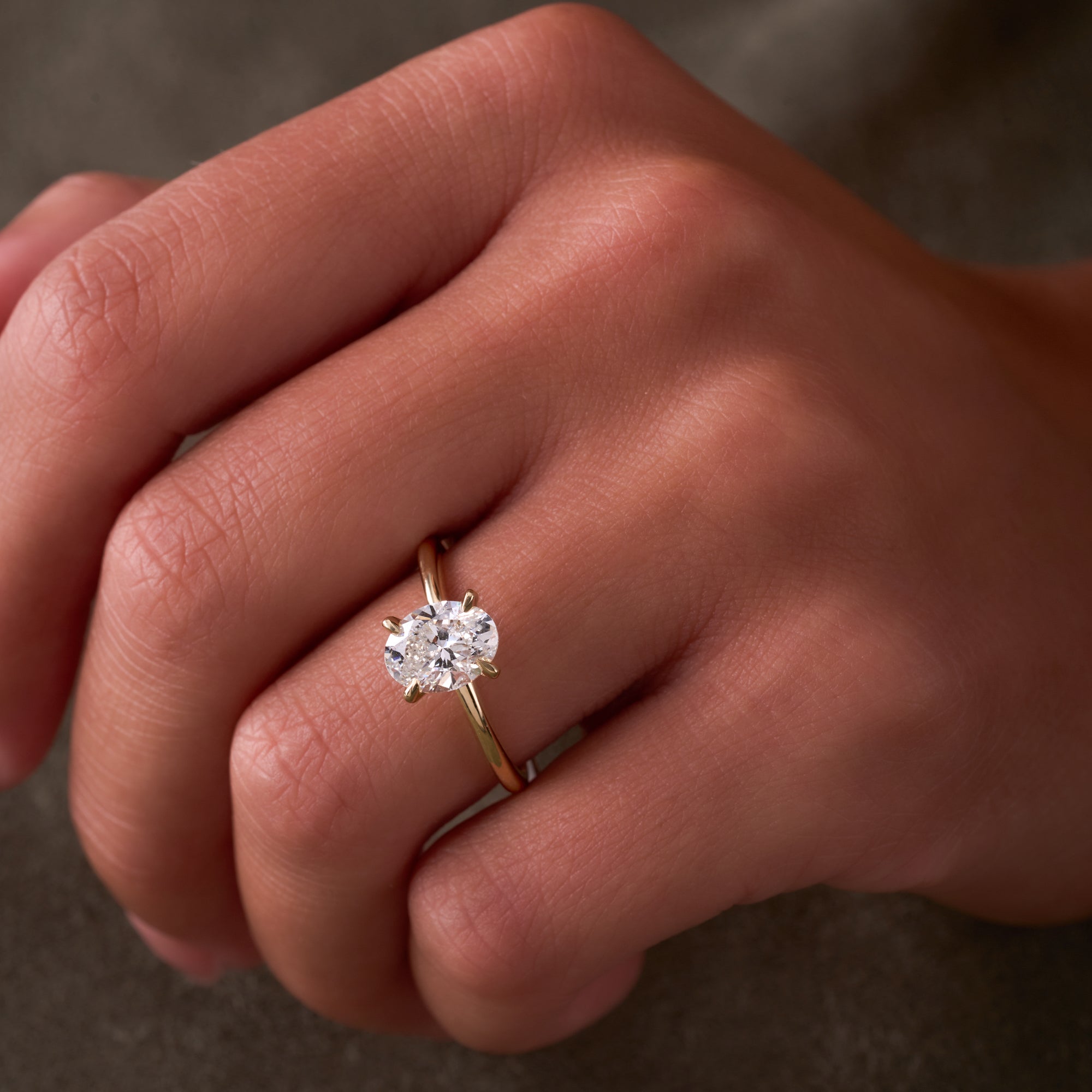
- Minimalist: Plain polished band stacked with a solitaire in a low basket—quiet luxury.
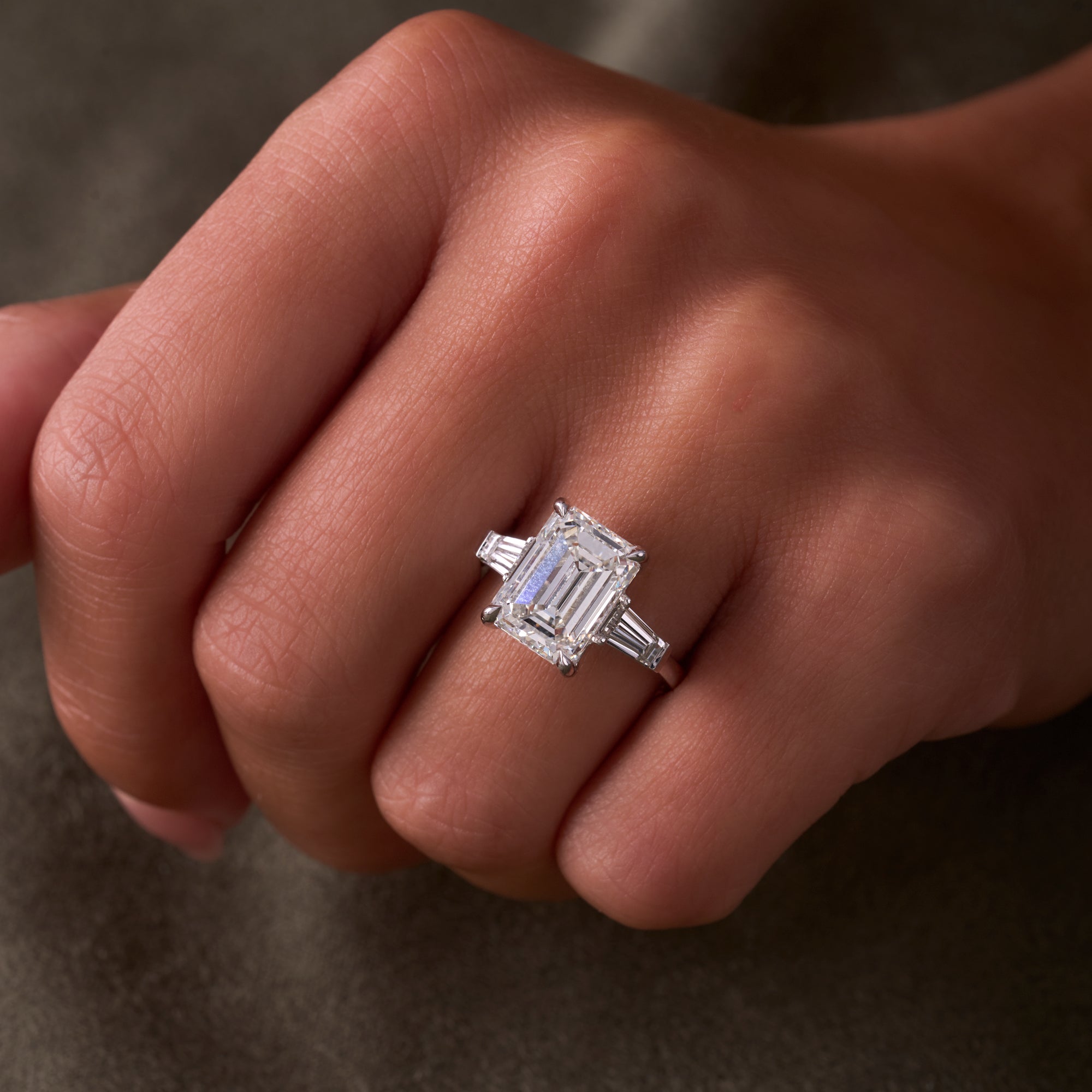
If your engagement ring has strong geometry (emerald, radiant, Asscher), a straight baguette band mirrors the lines beautifully. For soft shapes (oval, cushion, and pear), a rounded pavé or scalloped band keeps everything airy and feminine.
Traveling or Going Hands-Free?
To avoid loss or damage, many brides switch to a simple band (or a lab-created or moissanite travel ring) for trips and keep the full set at home. You’ll still honor the symbolism while staying practical in the crowds, beaches, or in unfamiliar hotels.
When you’re ready to fine-tune how to wear a wedding ring set, from flush-fit bands to custom enhancers. At Happy Jewelers, we’ll stack your exact pieces, adjust fit, and polish the look so it feels secure, comfortable, and unmistakably you.




Share:
What Is the Average Carat Size for an Engagement Ring?
Opal Engagement Ring Guide