

Picking the perfect watch isn’t just about looks, it’s also about how it fits. A watch that looks amazing in photos might feel awkward or too bulky once it's on your wrist. Whether you're eyeing a vintage piece or investing in a high-end timepiece, knowing your wrist size and how it relates to the watch's dimensions is key to finding a watch that feels just right.
What You’ll Learn in This Guide:
- How to measure watch case dimensions
- What to do with oddly shaped watches
- How crowns, pushers, and extra features affect fit
- Strap and bracelet styles (and how they change the feel)
- How to match your wrist size to the right watch diameter
First: How to Measure the Watch Case
If you want to get technical, grab a digital caliper with plastic jaws (so you don’t scratch anything). Here’s what you’ll want to measure:
- Case Diameter: This is the main number you'll see in product descriptions. Measure straight across the watch face from roughly the 8 to 2 o’clock position, ignoring the crown (the little knob on the side).
- Case Thickness: This tells you how tall the watch sits on your wrist. Most fall between 8mm and 14mm.
A round case is pretty straightforward to measure, but for other shapes, you’ll want a few more details.
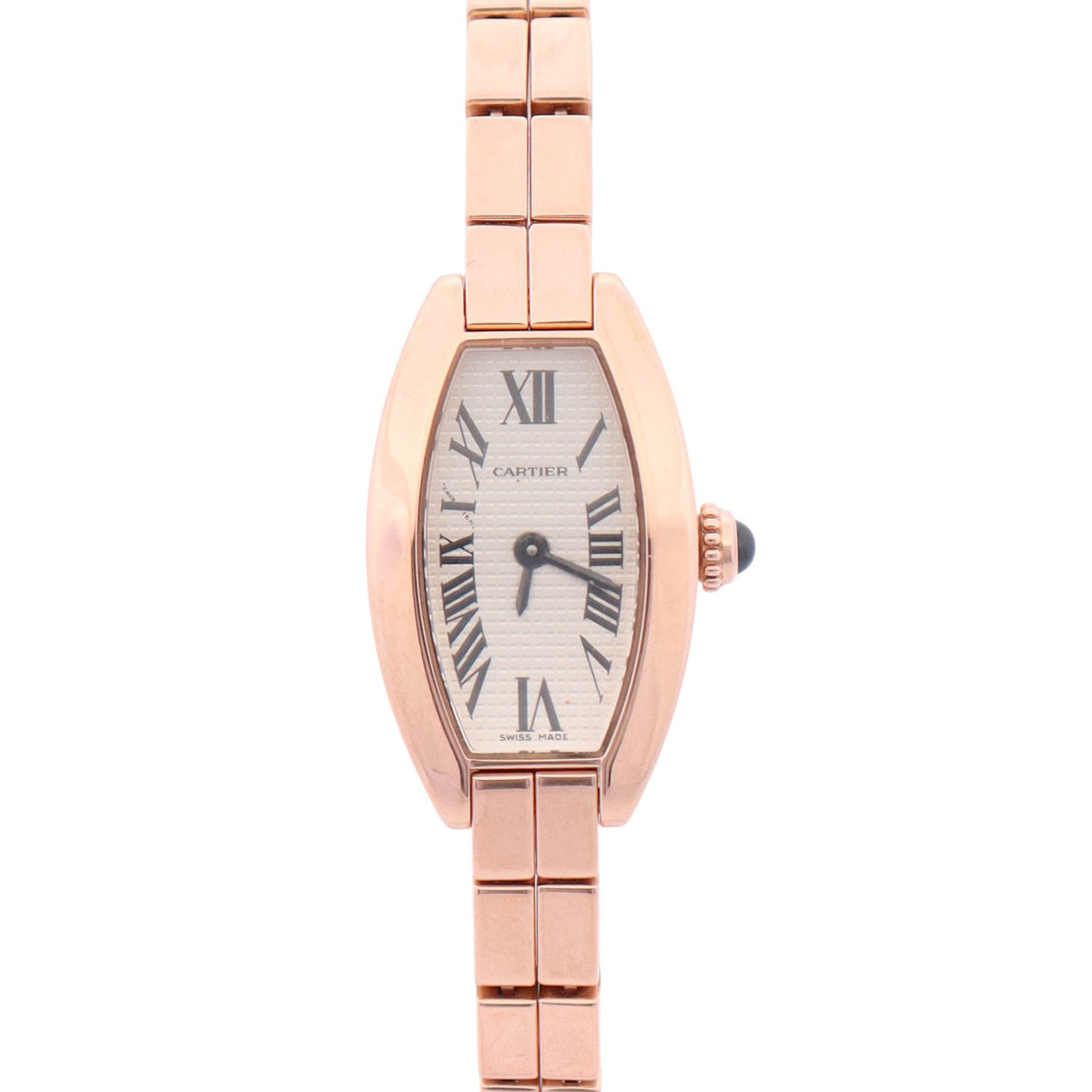
Oddly Shaped Watches: Cushion, Rectangular, and Tonneau Cases
These can wear differently than round watches—sometimes looking bigger or smaller on the wrist than expected. Here’s what to do:
- Measure across the narrowest part to get a base size.
- Also jot down the widest part—it gives a fuller picture, especially helpful if you're buying or selling.
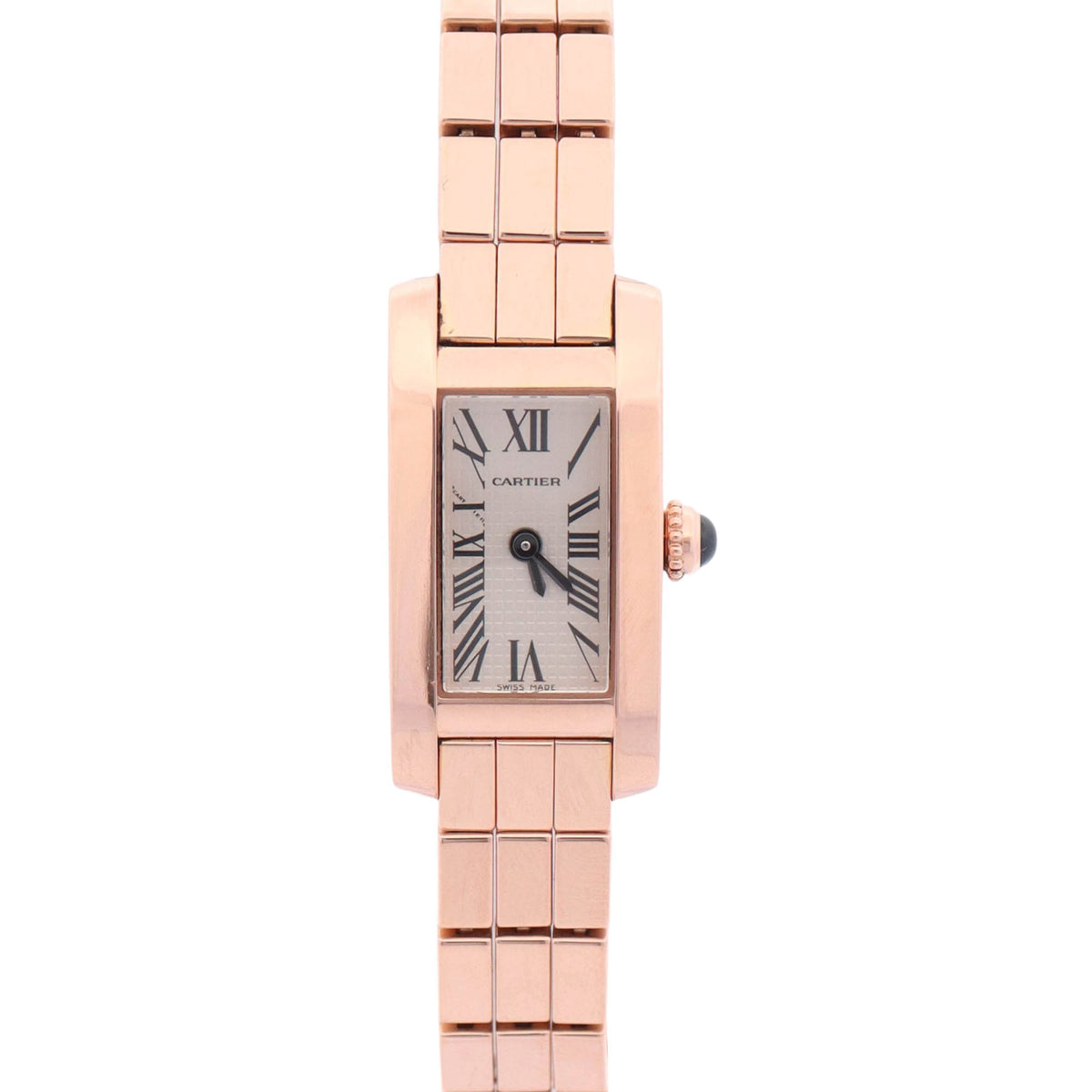
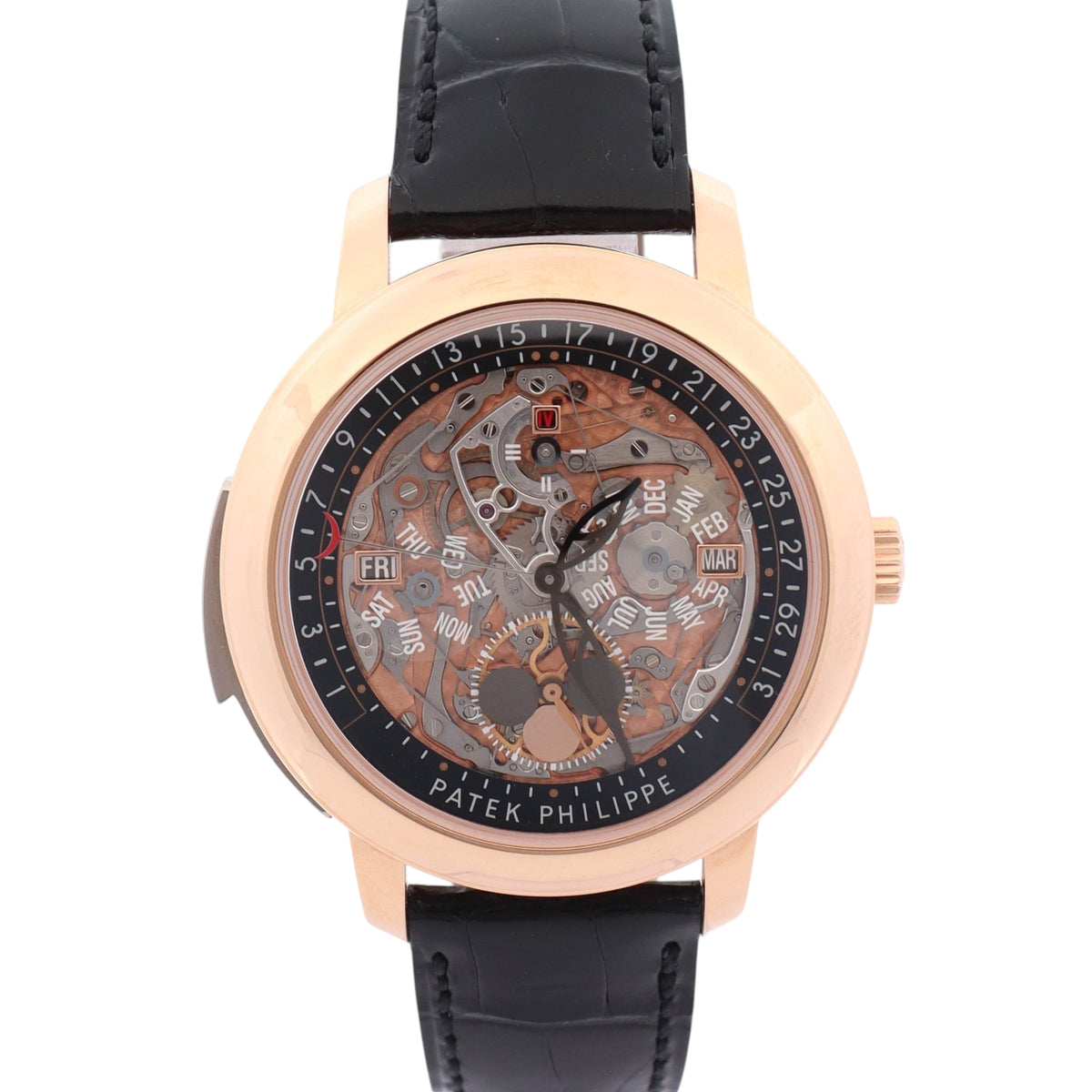
Think of models like the Cartier Tank or the Patek Philippe Nautilus—they look quite different depending on the angle.

Watch Case Thickness: More Important Than You Think
Most people focus on diameter, but thickness matters too—especially for comfort.
- Under 8mm: Slim and sleek. Great for dress watches.
- 8–14mm: Most everyday watches fall here.
- Over 14mm: Chunky, sporty, and bold.
Even a fabric strap like a NATO can add visual “bulk,” making the watch feel taller on the wrist.
Lugs: The Unsung Hero of Fit
- Lug Width: This is the space between the “arms” where your strap or bracelet attaches. It's usually in millimeters (e.g., 20mm) and affects what kinds of straps you can swap in.
- Lug-to-Lug Distance: This is the total span from one end of the case to the other across your wrist. Super important for how the watch actually wears, especially on smaller wrists.
Don’t Forget the Extras: Crowns, Pushers & Complications
Little details like chronograph buttons, crown guards, or a helium escape valve can make a watch wear larger than its case size suggests. For example, a 40mm watch with chunky pushers might feel more like 42mm on your wrist.

Straps vs. Bracelets: It’s Not Just About Looks
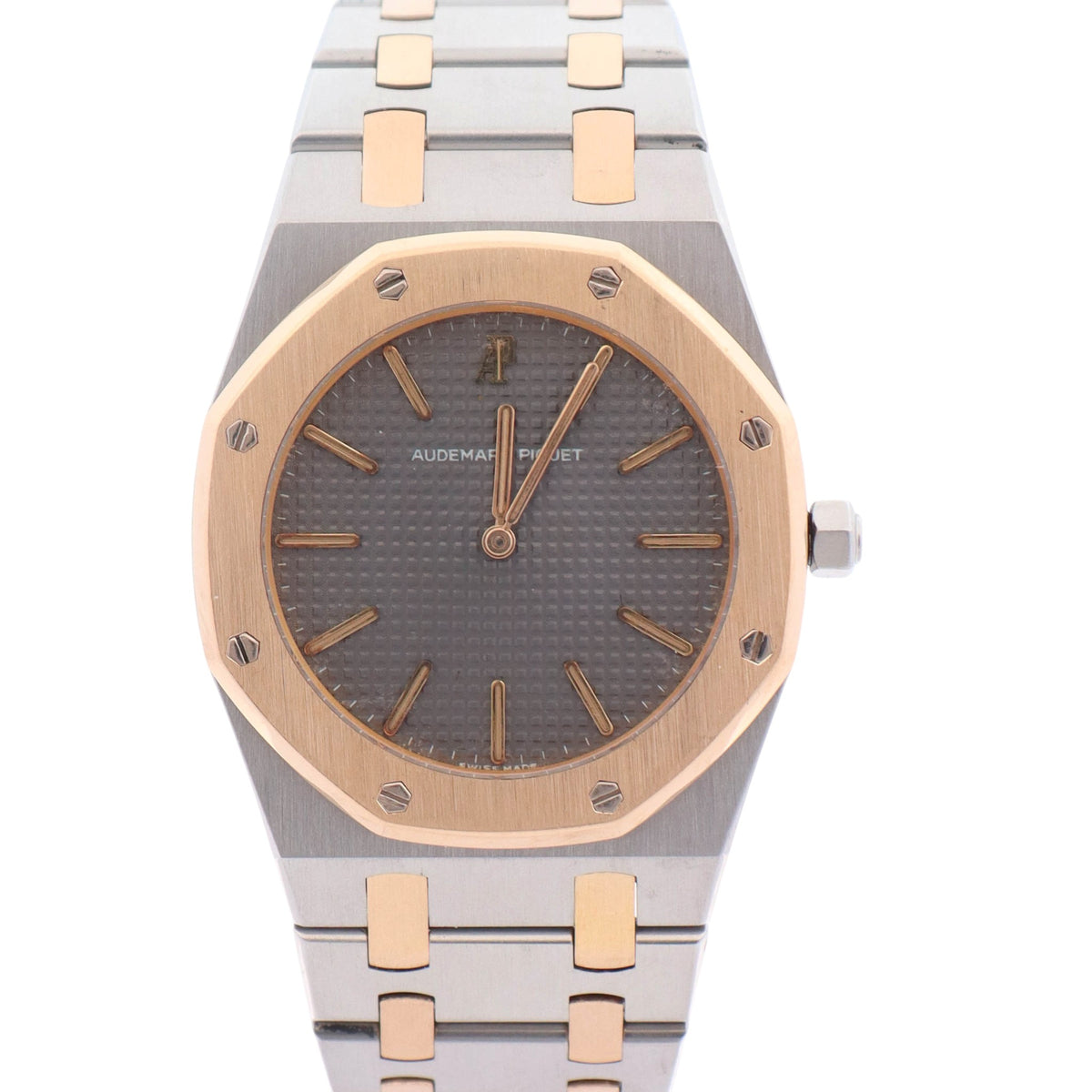
- Integrated Bracelets (like on the Royal Oak) can make the watch wear bigger than its case size because of how the links flare out.
- Rubber or NATO straps add thickness underneath the watch.
- Metal bracelets add weight and visual heft.
So, a 41mm Royal Oak might feel bigger than a 40mm Submariner, just because of the bracelet design.
So… What Size Watch Should You Wear?
Start by measuring your wrist with a soft measuring tape or by printing out a wrist size guide.
Wrist Size Guide
|
Wrist Size |
Recommended Case Diameter |
|
Under 6″ |
34–36mm |
|
6″–6.5″ |
36–38mm |
|
6.5″–7″ |
38–40mm |
|
7″–7.5″ |
40–42mm |
|
7.5″+ |
42–46mm+ |
Pro Tips:
- Want a sleek, dressy vibe? Go 1–2mm smaller.
- Like sporty or chunky styles? Size up 1–2mm.
Final Fit Tips:
- Proportion is everything. A small wrist and a huge case can look off. Same goes for big wrists and tiny watches.
- Watch thickness adds to the overall feel. Thin = more elegant. Thick = more rugged.
- Where you wear it matters. Most people wear their watch just below the wrist bone on their non-dominant hand.
- Your style plays a role. Leather straps usually wear smaller. Metal and sport straps wear larger.
Example: What’s Right for a 7” Wrist?
A 7-inch wrist is pretty average for men. Most people with this size look great in a 38–42mm watch. Prefer something slim and low-key? Try 36–38mm. Like bolder, sportier looks? 40–42mm should do the trick.
Contact One of Our Experts Online Or Go In-Store!
At Happy Jewelers, our dedicated team of experts is waiting to help you. You can step foot into our inviting showroom in Orange County or contact us over the phone, either way you’ll get one on one service to make sure you are getting exactly what you want. We recommend coming in store to actually try stuff on and see how different watches fit on your wrist in person.



Share:
A Beginner’s Guide to Investment Watches: How to Start and What to Buy
The World’s Most Expensive Watch Brands – and How Much They’ll Cost You