


Diamonds and engagement rings are often regarded as inseparable today, but that pairing is a relatively recent development in the long history of engagement rings. For centuries, an engagement ring was less about a single gemstone and more about a public promise, a family alliance, or a signal of financial commitment.
Diamonds entered the story slowly, first as rare status symbols for Europe’s elite, and later as an expected center stone for many couples.
Rings as Promises Long Before Diamonds
In the ancient world, rings could mark commitment or agreement, often made of plain iron or gold. By the Middle Ages in Europe, engagement rings were commonly set with colored stones such as sapphires and rubies. By the 9th century, a betrothal or engagement ring carried an “official” meaning of intent to marry, tying the ring to a formal promise rather than fashion alone.
1477: The First Diamond Engagement Ring on Record
The earliest written record of a diamond set in an engagement ring dates to 1477. In a letter, Dr. Moroltinger advised the future Holy Roman Emperor Maximilian to commission a ring set with a diamond for his betrothal to Mary of Burgundy. This did not immediately change what ordinary people wore, but it linked diamonds to commitment within royal courts, where trends spread through imitation.
Diamonds appealed symbolically because they were regarded as resistant to fire and steel, an emblem of enduring partnership.
From Renaissance Romance to Victorian Sparkle
After the 15th century, diamond rings appeared more often among Europe’s wealthy classes, but they remained rare. Cutting technology was limited, so early stones were valued for surface sparkle and shape. Engagement rings also diversified in design.
“Gimmel” rings with interlocking hoops became popular in parts of Europe, and later eras leaned into sentiment and ornament. By the 18th and 19th centuries, advances in cutting and metalwork made gemstone settings safer, while romantic ideals emphasized the personal significance of rings.
The 1860s–1880s: Diamonds Become More Available
A turning point in the history of engagement rings was driven by geology. Diamond discoveries in South Africa shifted diamonds from ultra-rare luxury toward a gem that could be supplied at scale. Historical reading places the first discovery in 1867 near Hopetown on the Orange River, followed by the rapid expansion of mining.
As supply grew, companies consolidated production and distribution. De Beers’ official history notes that De Beers Consolidated Mines was established in March 1888, marking a new era of organized diamond selling.
1886: The Setting That Showcased the Diamond
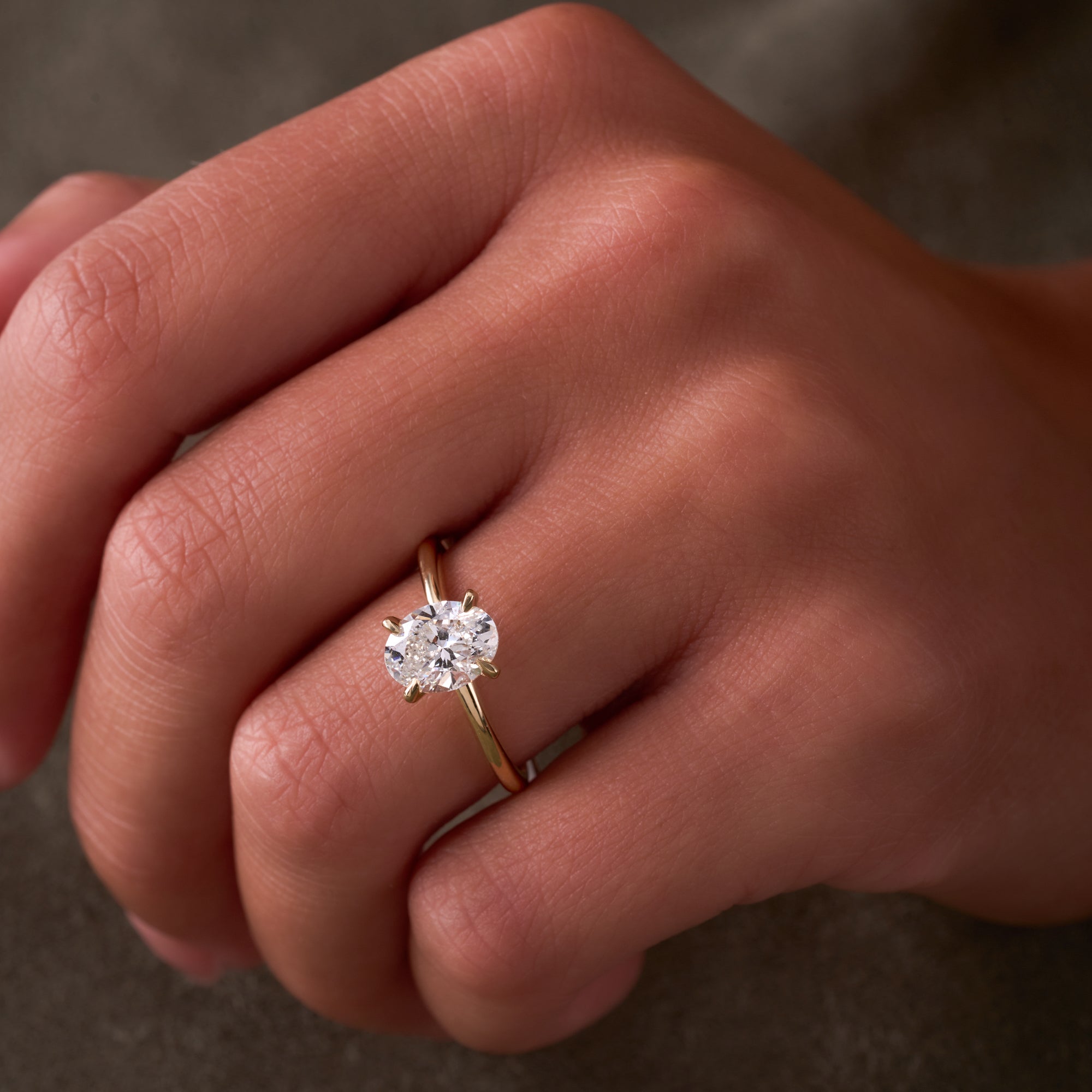
Design helped make the diamond look like the main event. In 1886, Tiffany & Co. introduced the Tiffany® Setting, lifting a solitaire above the band with prongs to allow more light to enter the stone. Tiffany’s archive describes this as a shift away from low-set, ornate rings toward a design that spotlights the diamond itself, a silhouette that still shapes many modern solitaires.
Early 1900s: Platinum and Art Deco Influence
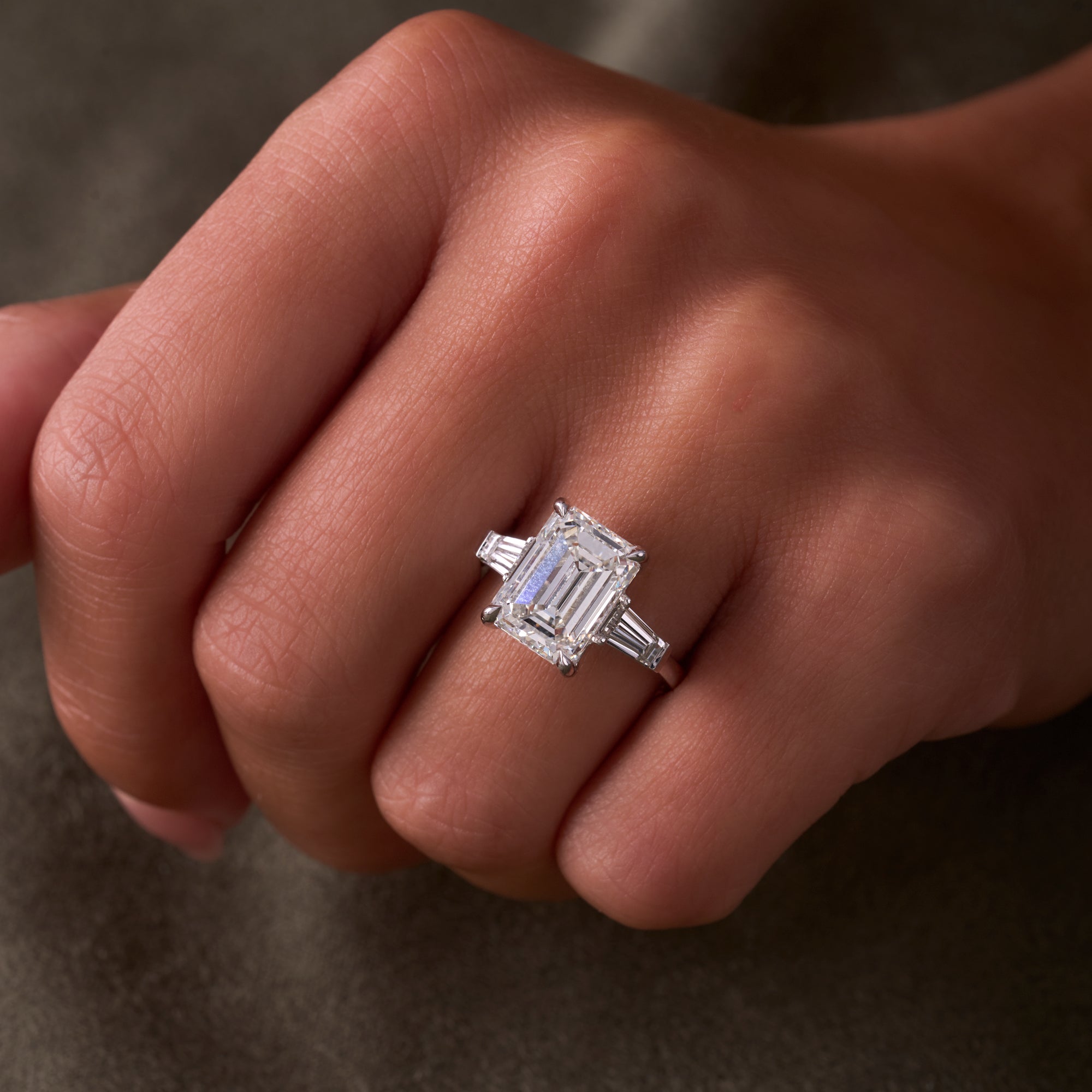
In the early 20th century, platinum became popular for fine jewelry because it is durable and securely holds delicate prongs. That strength suited the crisp geometry of Art Deco design, when rings often featured milgrain edges, tapered baguettes, and symmetrical halos.
After World War II, higher household incomes and mass retail helped engagement rings spread across the middle class, especially in America, setting the stage for the advertising era that followed.
1947: “A Diamond Is Forever” and the Modern Expectation
If South Africa changed supply, mid-20th-century advertising changed demand. A widely cited watershed is 1947, when copywriter Frances Gerety at N.W. Ayer & Son wrote “A Diamond is Forever” for De Beers.
A university thesis on De Beers’ U.S. campaigns notes that the line became the official slogan and helped strengthen the association between diamond rings and engagement rituals in American culture. The message reframed diamonds as “forever” objects to be kept, thereby turning a purchase into a social norm.
Why Diamonds Became the Default Symbol
Diamonds rose because several forces lined up. They are physically durable for daily wear. Standardized grading made comparison shopping easier. Marketing reinforced the idea that a diamond solitaire signaled seriousness and status.
Over time, what began as elite fashion, then mass advertising, became a tradition many people now treat as timeless.
The Modern Era: Choice, Grading, and Lab-Grown
Today’s couples inherit that script, but they have more options than any generation before. Independent grading reports and diamond education make shopping clearer. Lab-grown diamonds have also expanded choice, offering the same crystal structure as natural diamonds with different pricing dynamics.
How Can This History Help You Choose?
Knowing the history of engagement rings helps separate “tradition” from “trend.” If you love a classic diamond solitaire, you are choosing a style shaped by late-19th-century design and 20th-century culture.
If you prefer vintage-inspired details, you are echoing earlier eras in which symbolism and craftsmanship mattered as much as size. If you are considering lab-grown, you are part of the newest chapter, where technology and consumer choice are redefining what an engagement ring can mean.
Explore Engagement Rings at Happy Jewelers
Browse Happy Jewelers' engagement rings to compare settings inspired by different eras, or explore lab-grown diamond engagement rings if you want more flexibility on size, shape, and budget.




Share:
Engagement Ring Engraving Ideas
When Is the Best Time to Buy a Diamond Ring?