


Buying a diamond ring is one of those purchases where timing can genuinely help, but not in the way most people think. There is no universal day when diamonds become cheaper everywhere.
Instead, the best time to buy diamonds is usually when retail incentives, inventory availability, and your planning window align. That combination can reduce stress, widen your choices, and sometimes unlock better pricing or added value.
Below is a practical, research-backed approach to deciding when to buy, with clear seasonal windows and the trade-offs associated with each.
First, What Best Time Actually Means
For most shoppers, the best time to buy diamonds equals one (or more) of these outcomes:
-
Best value for the same quality (strong cut, clean-looking clarity, balanced color).
-
Best selection (more sizes, shapes, and settings in stock).
-
Best overall deal (discounts, bundle offers, free setting upgrades, or services like resizing/engraving).
-
Best timeline (enough time for custom work, shipping, and any adjustments).
Your “best time” is the period when you prioritize the outcomes you care about most!
The Most Reliable Buying Windows
1. Late November to Early December: The Biggest Promotion Season
If your goal is deal-hunting, late November through early December is often the strongest period for visible promotions across many retail categories, and fine jewelry is commonly featured in Black Friday and Cyber Monday campaigns.
The upside is obvious: more promotions and more competitive pricing! The downside is also real: it is a high-demand period for gifting and proposals. Higher demand can mean faster-moving inventory and longer lead times, especially if you want a specific diamond shape, a less common size, or a custom setting. If you shop this window, act early and keep your must-haves clear.
Best for: Shoppers who want savings and can make quick decisions.
Risk: Selection changes fast; custom timelines may tighten.
2. January: Post-Holiday Clearance and Calmer Shopping
January is often overlooked, but it can be one of the smartest times to buy because many retailers reset inventory after the holiday rush. The shopping environment is calmer, and you may see end-of-season offers as stores prepare for Valentine’s collections. This window is especially helpful if you want to compare options without pressure.
It is also a good time to make upgrades you will appreciate over the long term, such as prioritizing cut quality or upgrading to a higher carat weight while staying within budget.
Best for: Buyers who want less pressure and a solid chance at value.
Risk: Some holiday-specific inventory may already be gone.
3. Late January to Mid-February: Valentine’s Demand Is High, But Selection Can Be Strong
Valentine’s season is a major jewelry spending period in the U.S. Valentine’s Day is a peak gifting moment, with spending forecasts reaching new records in 2026. That level of demand can push popular styles and sizes to sell quickly, but it also means retailers often keep fresh, gift-ready inventory on hand.
If you are buying around Valentine’s Day, the best strategy is to shop early in the season and focus on availability. Waiting until the last minute can limit choices, especially for classic shapes like round and oval in high-demand carat ranges.
Best for: Buyers who want a strong selection and a classic proposal season.
Risk: Price flexibility may be lower close to the holiday.
4. Quiet Months Can Help You Negotiate Value
While exact timing varies by retailer, periods outside major proposal and gifting peaks can be easier for consultation-led buying. In quieter weeks, you may get more time with specialists, more options pulled for comparison, and a smoother turnaround for resizing or setting work.
If you are planning a custom ring, calmer periods are advisable, as production can take weeks depending on design complexity. You want buffer time for CAD (design) approval, stone sourcing, setting, and final checks.
Best for: Custom projects, detailed comparison shopping, and less stress.
Risk: Fewer headline promotions than peak sale weeks.
Timing That Matters More Than the Calendar
When You Have Enough Time to Choose the Right Diamond
The most expensive mistake is rushing into a diamond that looks good in one photo but disappoints in real life. A better plan is to give yourself time to compare:
-
Cut performance (brightness, fire, sparkle)
-
Clarity that is “eye-clean” rather than paying for microscopic perfection
-
Color that looks white in the chosen metal
-
Carat weight that balances presence and budget
Learn the 4 Cs to compare diamonds confidently. When you give yourself time, you can prioritize which changes are most visible, instead of overpaying for specs that don't show on the hand.
When You Can Verify Descriptions and Disclosures
Another hidden best time to buy diamonds is when you can slow down enough to confirm what you are being sold.
Industry guidance explains how mined and lab-grown diamonds should be described, and stresses that marketing claims must be accurate and not misleading. This matters because pricing and value depend on accurate descriptions, including whether a stone is natural or laboratory-grown and whether any treatments require disclosure.
Taking time to verify paperwork, grading, and terminology protects you far more than chasing a short-term sale.
When Broader Supply Trends Are Stable
Diamond prices are influenced by supply chains, mining output, and trade flows, not only retail discounts. For a credible snapshot of the mineral market context, annual mineral commodity summaries track global production figures and key industry trends year over year.
You don’t need to trade diamonds like a commodity, but it is helpful to remember that diamond pricing is not purely seasonal. Retail promotions can be seasonal, while supply conditions and category demand move on longer cycles.
One timing factor many buyers miss is the after-purchase window. The best time to buy a diamond ring is early enough to confirm everything calmly before the proposal. Plan for an independent grading report and read the return, resize, and warranty terms so you know what support you have if the fit or setting needs adjustment.
Shopping with a buffer also lets you choose the setting that protects your diamond, schedule any prong checks, and avoid rush fees for expedited work. If you are customising, extend that timeline; CAD approvals and setting work can take longer than expected.
In practice, buying four to eight weeks before you need the ring gives you flexibility without forcing you to settle for last-minute inventory.
Final Thoughts
The best time to buy diamonds is usually not a single date. It is a window when you can shop with clarity, compare confidently, and still benefit from seasonal offers. If you want the highest chance of promotions, late November and January are strong starting points.
If you want selection, shop early in major proposal seasons. If you want a custom ring, start sooner and protect your timeline.
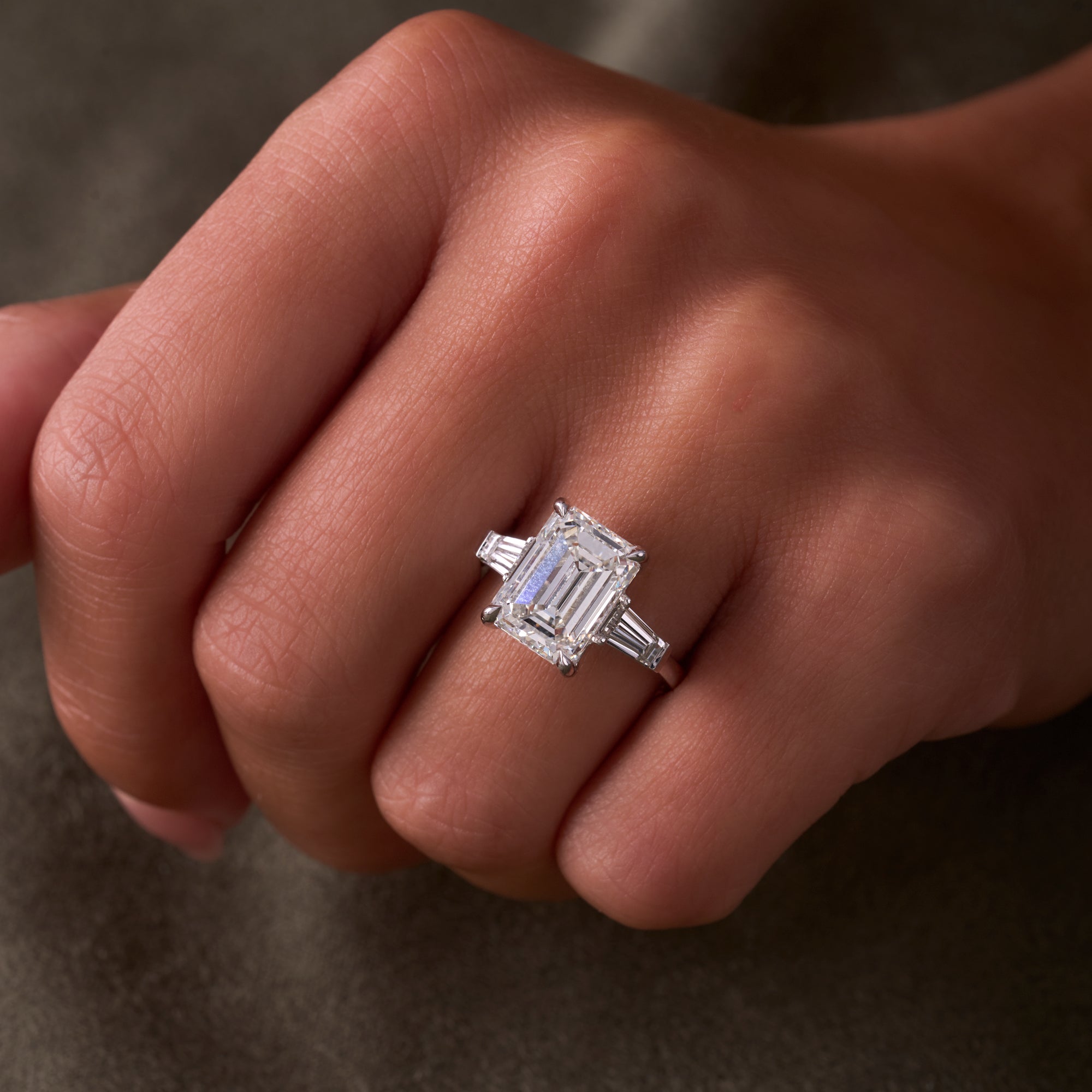
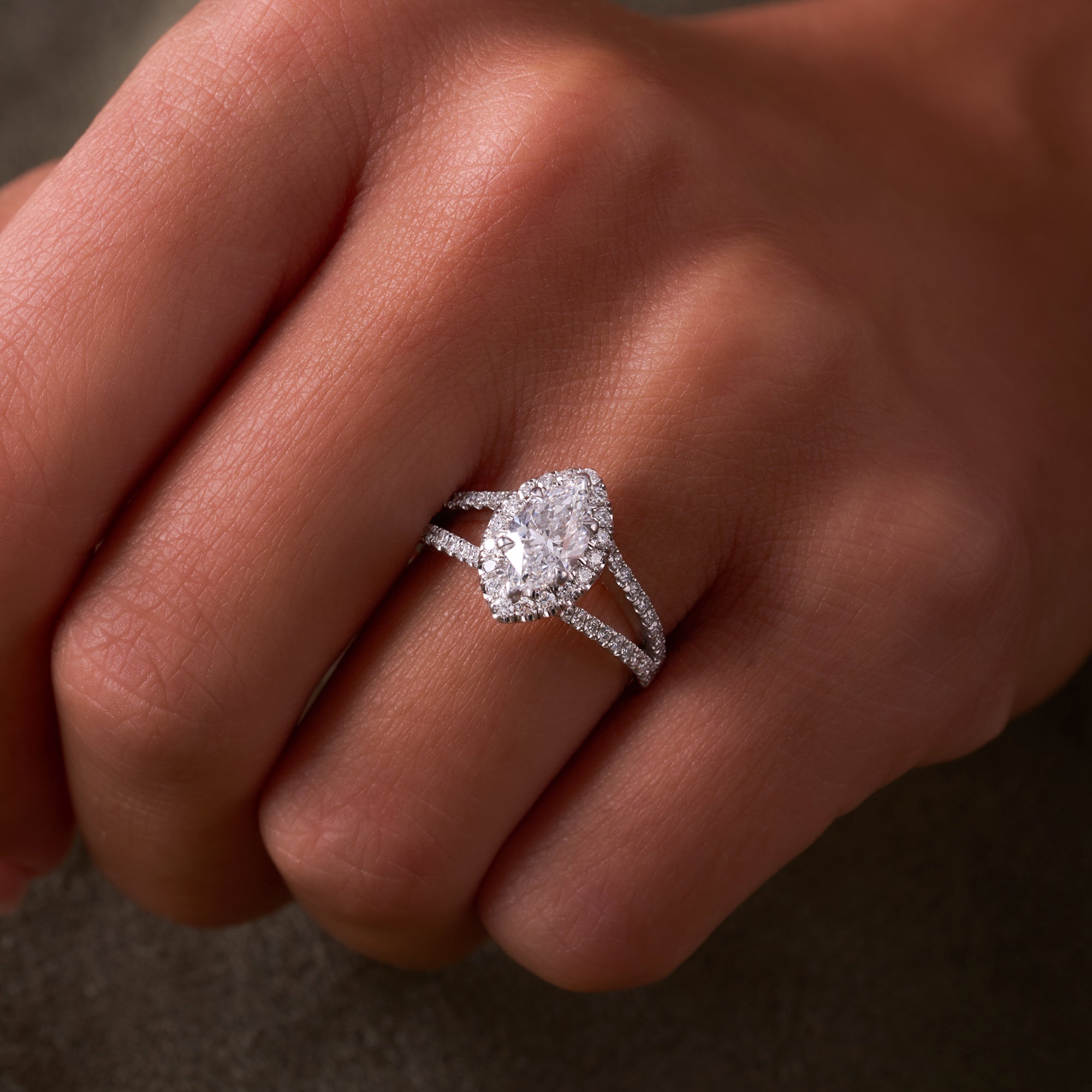
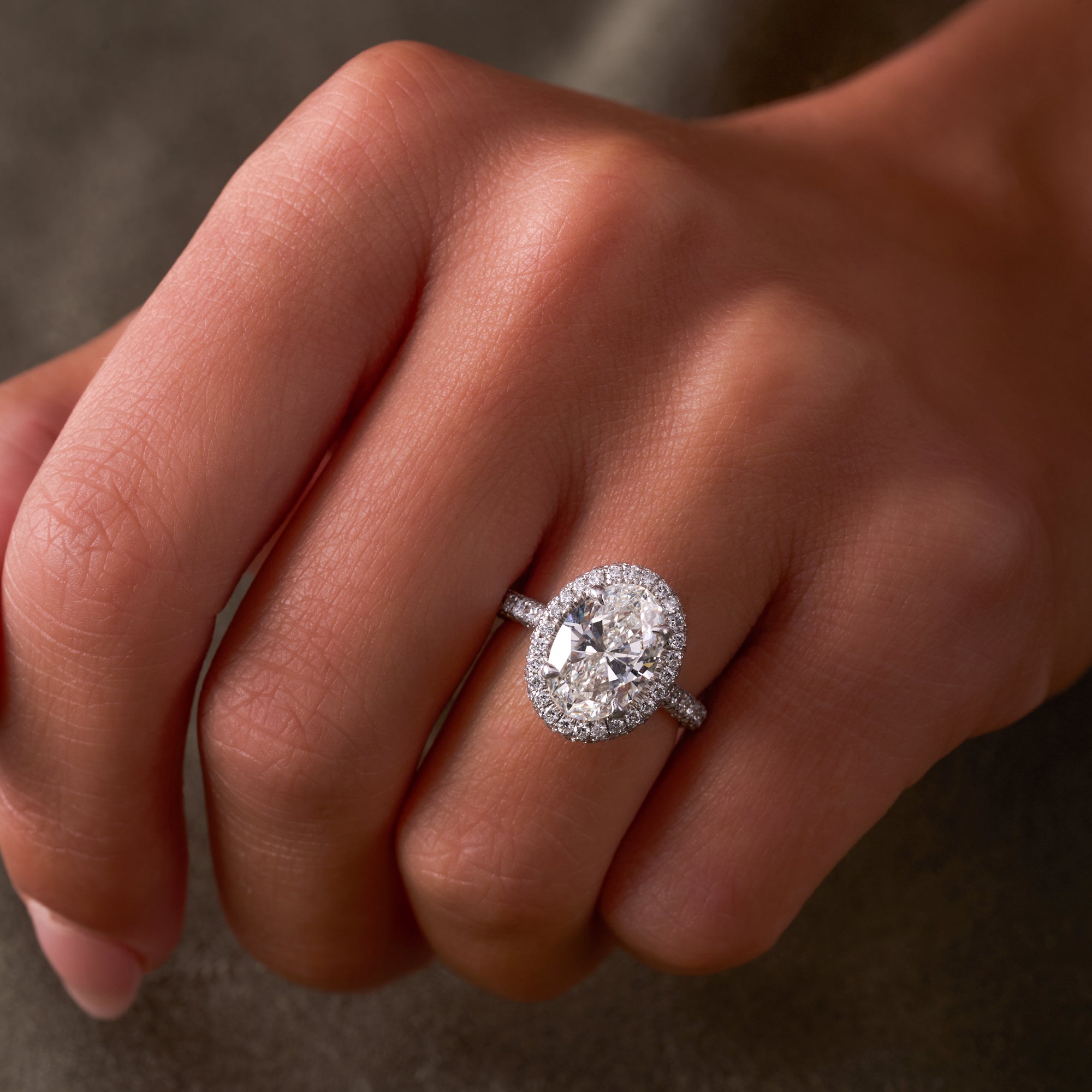
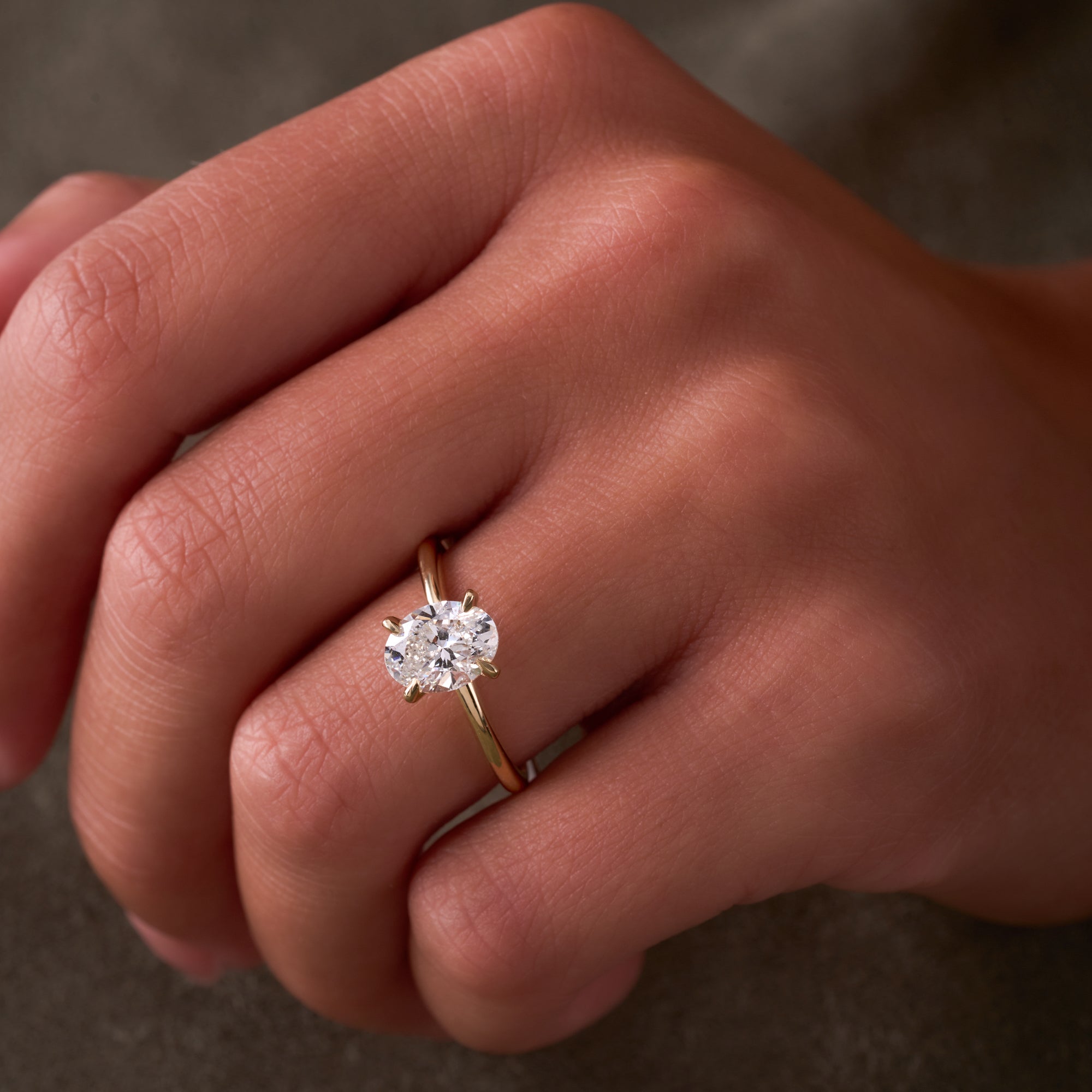
Explore our range of engagement rings at Happy Jewelers!




Share:
History of Diamonds as Engagement Rings
How to Create the Perfect Engagement Ring Based On Your Budget?