


Creating the perfect ring is not about hitting a magic number. It is about making sure your spending goes into details your partner will actually notice every day. The smartest way to design an engagement ring based on budget is to treat it like a simple design process: set a realistic total, choose a look that fits your partner, then use the budget levers that affect price without sacrificing beauty.
A budget-friendly ring can still look premium when you invest in the right details. Most regret stems from paying extra for specifications that do not affect the visual outcome, or from rushing into a ring without enough time to compare options. The goal is a ring that looks brilliant on your partner's hand, fits their style, and stays within your budget.
Start With the Real Total, Not Only the Diamond
Before choosing any diamond, set your budget with the full cost in mind. Many buyers focus only on the center stone and later realize that the setting, taxes, resizing, or finishing work affects the total cost.
Once you see the true total, you can allocate your spending intentionally. In most cases, the center stone is the largest portion, but the setting is what your partner sees constantly. If your budget is tight, a simpler setting can free money for a diamond that performs better visually.
If your budget is higher, a refined setting can elevate the ring overall, even if the diamond does not change significantly in size.
Choose a Style Direction Before You Choose Grades
The perfect ring depends heavily on taste. A technically impressive diamond can still feel wrong if the setting style does not match your partner’s preferences. That is why the first design decision should be the look: classic and minimal, vintage-inspired and detailed, modern and sleek, or bold and statement-making.
When you choose a style direction early, you stop spending money on features your partner does not care about. This step also prevents a common mistake: buying a diamond first, then forcing it into a setting that does not suit it.
Spend Where the Eye Notices It: Cut First, Then Presence
Pricing often reflects measurable characteristics like carat weight, color, clarity, and cut. Pricing models in the diamond market show that these graded characteristics account for a large share of price differences, which is why small shifts in grade can cause large shifts in cost, even when the difference is not obvious to the naked eye.
For visual beauty, cut quality is usually the most important because it drives brightness and sparkle. A well-cut diamond can look more alive than a heavier stone with weaker light performance. This is also why diamond education resources emphasize understanding the 4Cs as a comparison framework rather than chasing a single high grade.
After the cut, “presence” matters; presence is not only a carat. It is the face-up size, meaning how wide the diamond looks from the top. Two diamonds with the same carat weight can appear different due to their proportions, so paying attention to millimeter measurements helps you buy what your eye actually sees, not just what the certificate states.
Use Shape and Design to Make Your Budget Go Further
A diamond shape can significantly affect price because it influences cutting yield and consumer demand. In practical terms, round diamonds often command a premium, while many fancy shapes can offer a larger apparent size for the same spend.
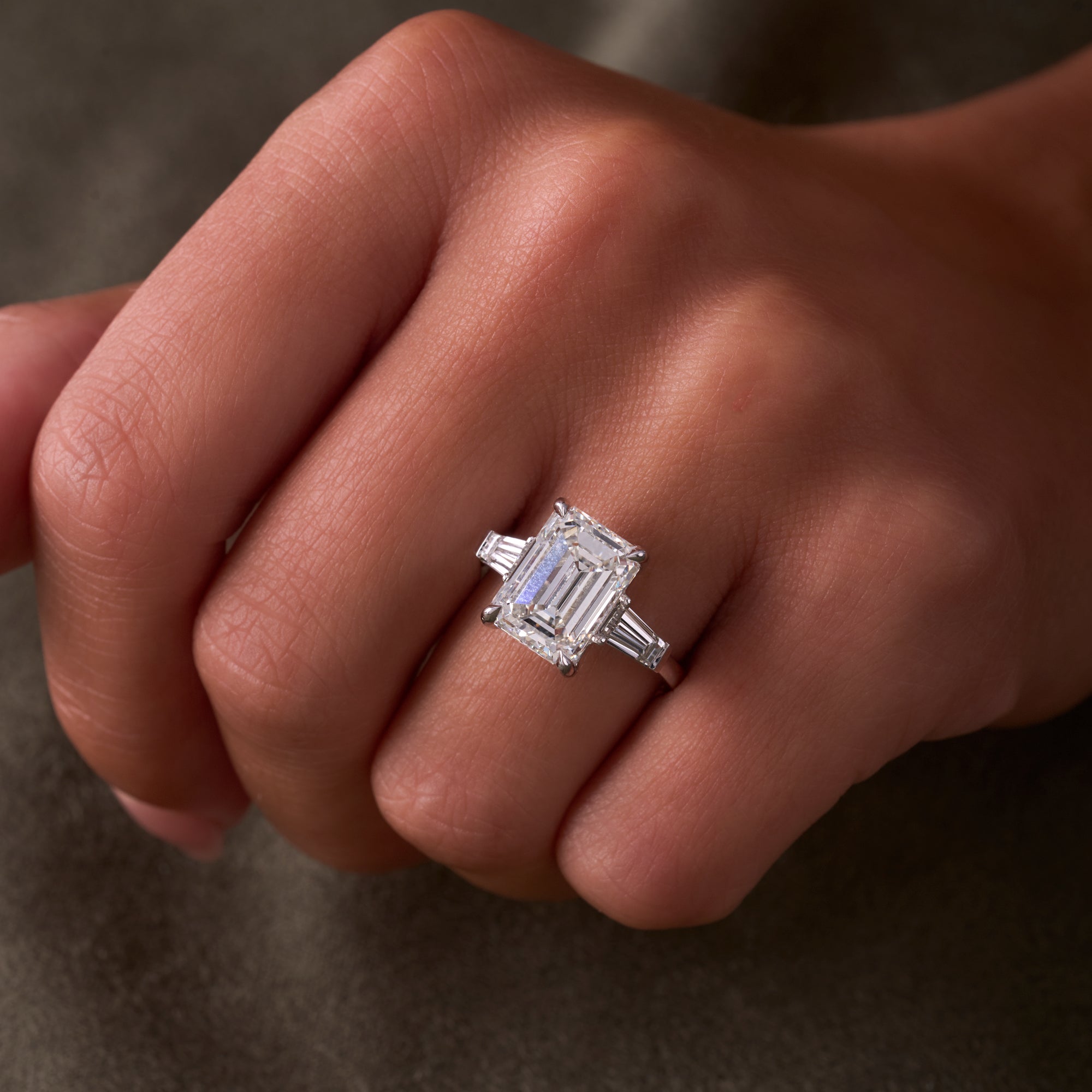
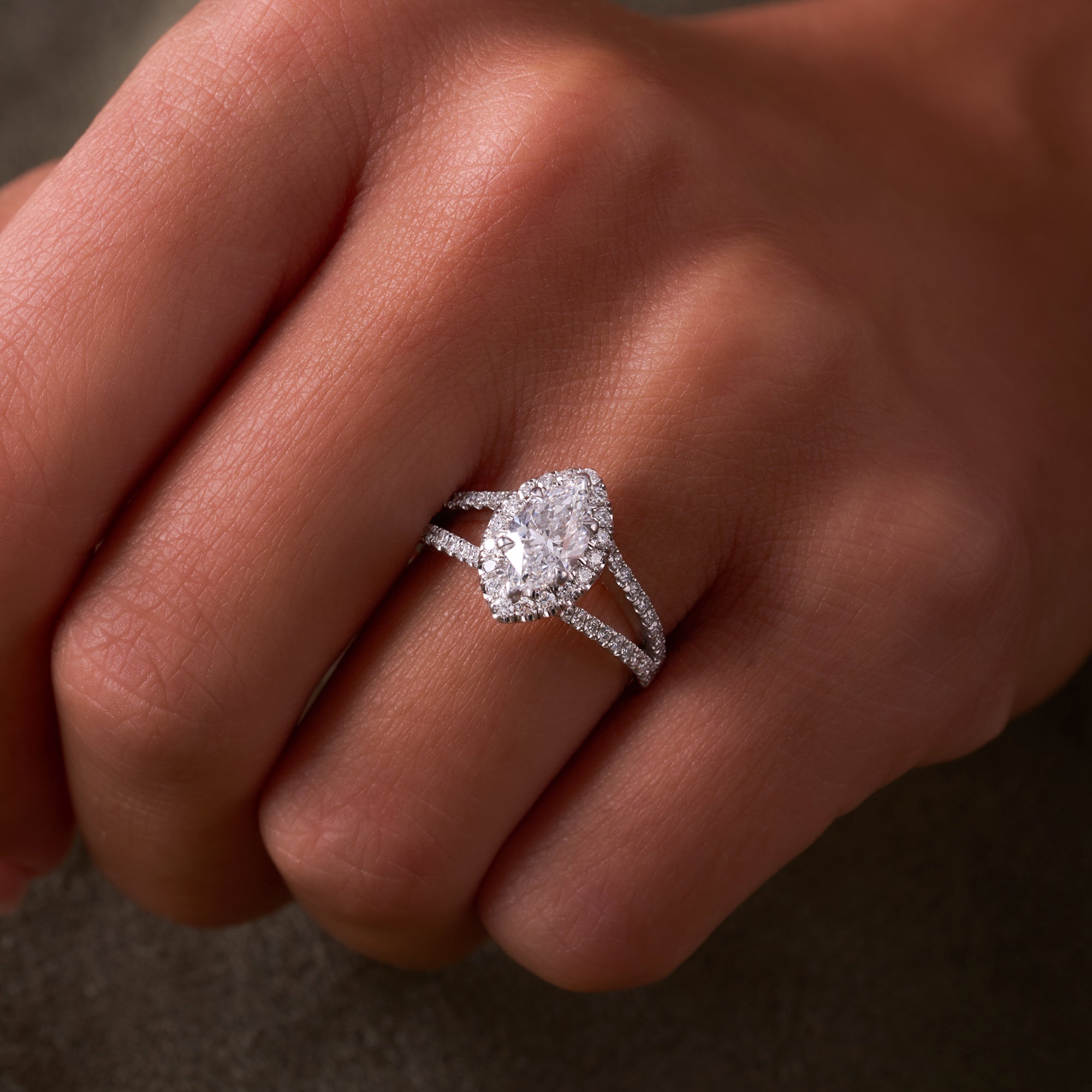
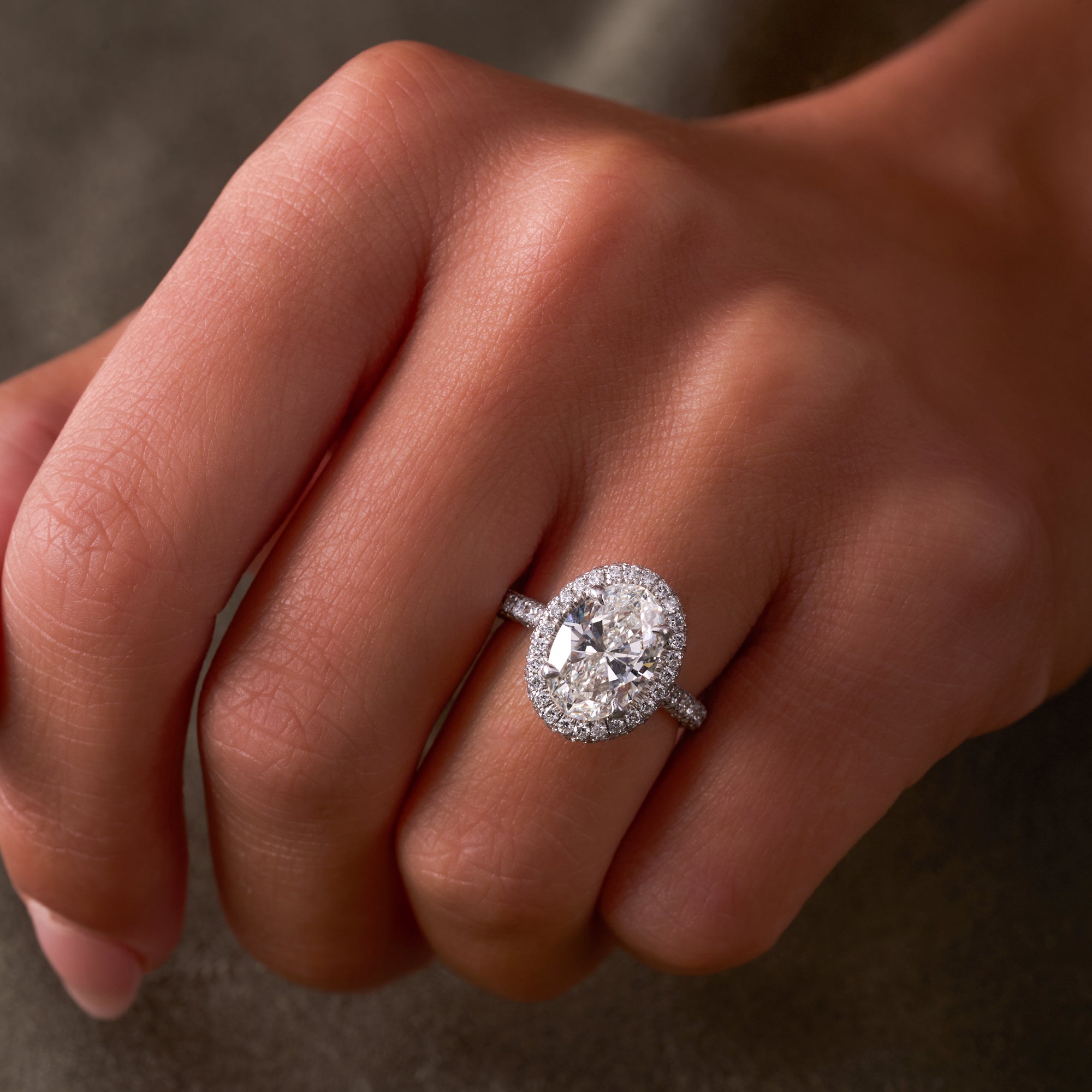
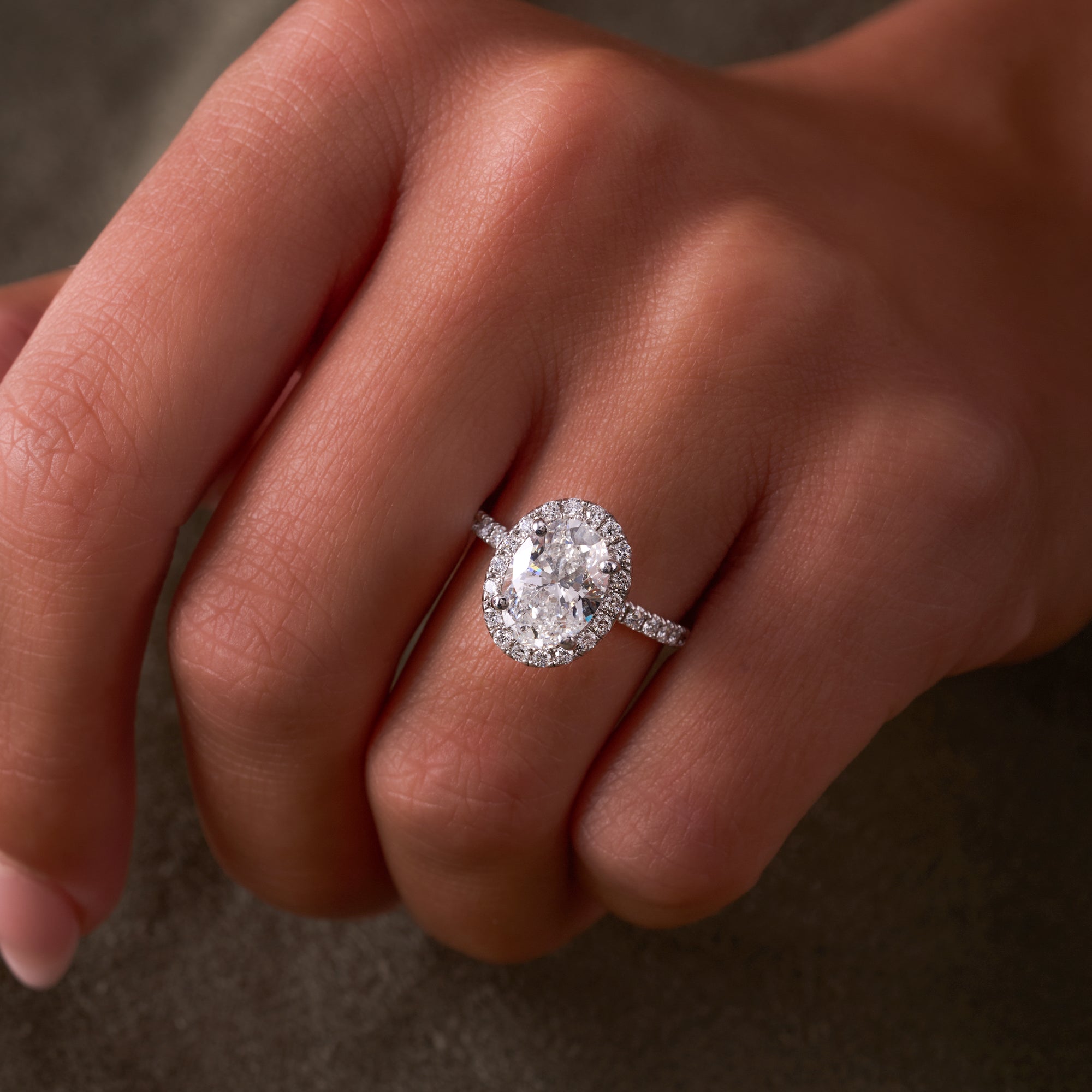
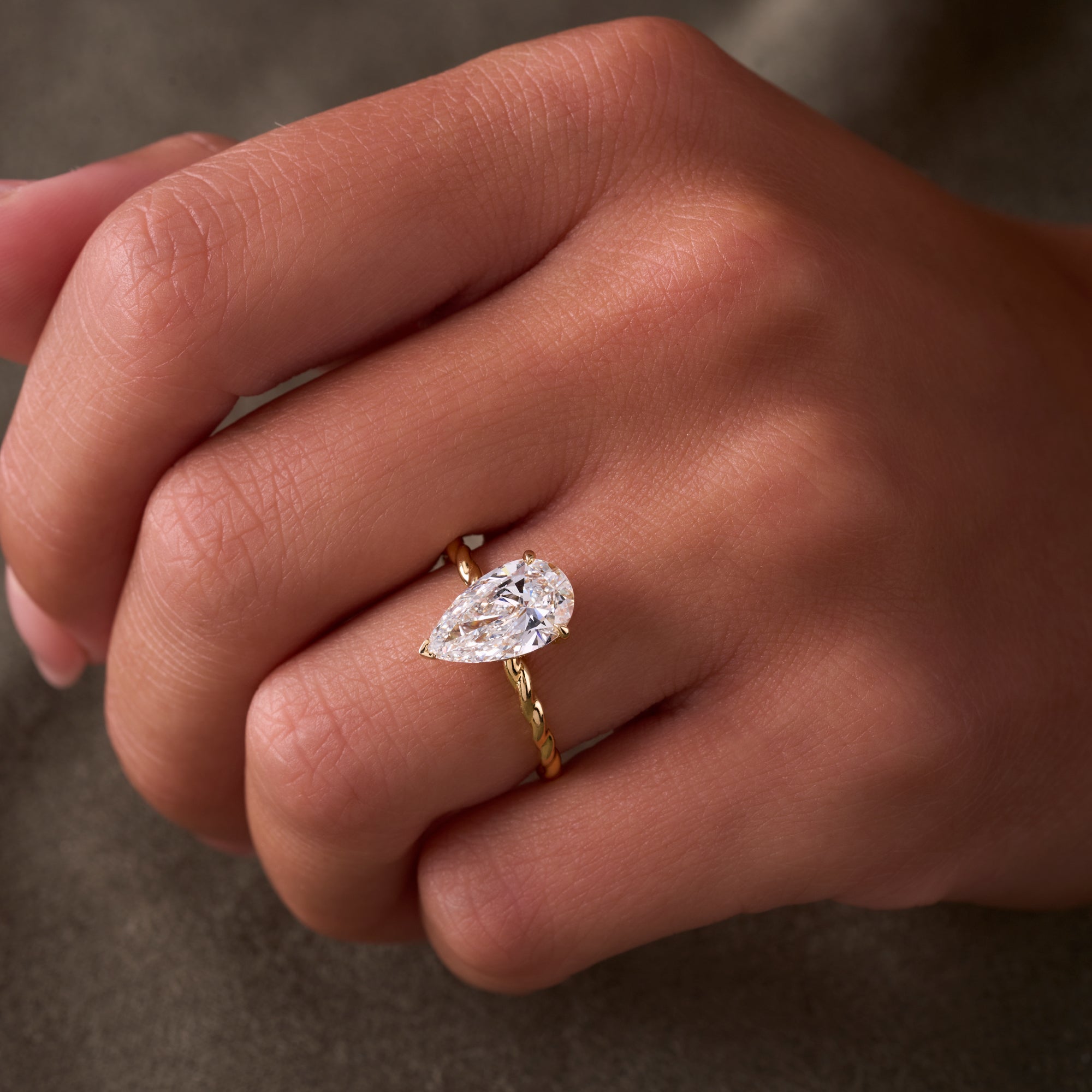
If you want a larger look without stretching your budget, elongated shapes such as oval, pear, and marquise can provide more finger coverage and often appear larger face-up. If you prefer clean, architectural lines, emerald and Asscher cuts deliver a distinctive look, but they tend to show inclusion clearly because of their larger, open facets.
That does not mean you cannot choose them on a budget; it means you should allocate your grades more carefully so the stone still looks crisp in normal viewing.
Choose Clarity Based on How the Diamond Is Actually Worn
Clarity is another place where budgets are often wasted. Many shoppers pay for high clarity grades that are only meaningful under magnification. In real life, most people want an “eye-clean” diamond that looks clean at a normal distance, in the lighting where the ring will be worn daily.
Brilliant styles often hide tiny inclusions better due to their facet pattern, giving you greater clarity without compromising appearance. Step cuts typically require stricter clarity choices, so the same budget rules do not apply equally across all shapes.
This is where shopping with time helps. Instead of buying the highest clarity your budget allows, you can compare a few options and choose the one that looks best to the naked eye. You are paying for beauty, not for microscope perfection.
Match the Color to the Metal So You Do Not Overpay
Color decisions should match the setting metal. In white metals, higher color grades can preserve a bright, white appearance, especially if you are sensitive to warmth.
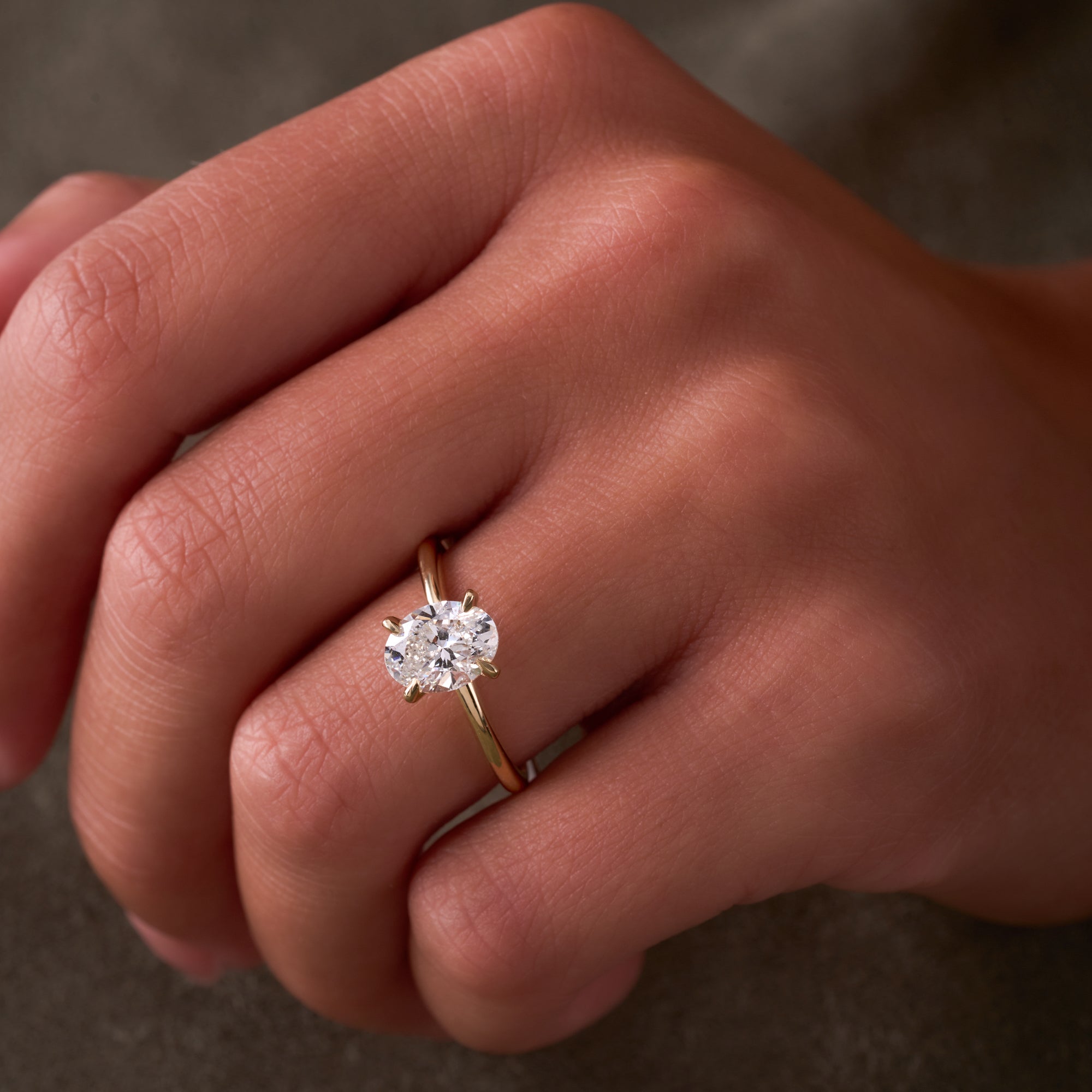
In yellow or rose gold, slightly warmer diamonds can still look bright because the metal itself adds warmth, and the contrast can make the diamond look more intentional. This is not about cutting corners; it is about using the design to support the look so you are not paying extra for a difference that will not be obvious once the diamond is set.
Decide Early Whether Mined or Lab-Grown Fits Your Priorities
Lab-grown diamonds can be a powerful budget option if your priority is size-per-dollar, but the key is making sure the product description is clear so you are comparing like-for-like. This choice affects how you allocate the budget.
Some buyers prefer the tradition and rarity of mined stones. Others prefer the ability to get a larger stone within the same total.
Let the Setting Enhance Your Diamond Rather Than Drain Your Budget
A setting is not only decoration. It changes how large the center stone looks, how secure the diamond is, and how comfortable the ring feels. If you want maximum visual impact on a tighter budget, a clean solitaire can keep attention on the center stone while reducing extra costs.
If you want more presence without significantly increasing center stone size, certain design choices, such as a tasteful halo or tapered shoulders, can increase perceived size and sparkle.
Lifestyle matters too! Someone who wears jewelry daily or uses their hands often may be happier with a setting style that protects the diamond and avoids snagging. A slightly smaller diamond set beautifully and securely tends to look more refined than a larger diamond in a fragile or overly delicate design.
Give Yourself Time, Because Timing Is Part of the Budget!
Rushing can quietly increase cost. When buyers shop late, they often pay for expedited production, settle for what is available, or miss the chance to compare diamonds properly.
Shopping earlier gives you time to make the diamond and the setting work together, while still leaving time for finishing steps like resizing. This is especially important if you are customizing, as design approvals and setup can take longer than expected.
Final Thoughts
When your budget is planned, your priorities are clear, and your design choices are intentional, you can create a ring that looks exceptional at any price point. Explore budget-smart engagement rings at Happy Jewelers!
Share:
When Is the Best Time to Buy a Diamond Ring?
A Diamond Shape Guide