


An engagement ring is something you’ll likely wear every day, so choosing the right diamond deserves some thought. But if you’ve started shopping, you may have noticed that natural and lab-grown diamonds can look almost identical while carrying very different price tags. So, which one should you choose?
The conversation around lab grown vs. natural diamonds often makes it sound like one is a better choice than the other. In reality, both have qualities that appeal to different buyers. Your decision comes down to what you want from your ring and how much you’re comfortable spending.
Let’s look at what separates these two diamond types and what you should consider before making your choice.
What Are Natural and Lab-Grown Diamonds?
Natural diamonds begin forming far beneath the Earth's surface, where extreme temperatures and pressure allow carbon to crystallize. This geological process takes billions of years. Over time, volcanic eruptions transport some of these diamonds closer to the surface, making them accessible for mining.
Scientists have found ways to produce diamonds without waiting for the natural geological process. Using specialized equipment, manufacturers grow diamonds in laboratories through two established techniques: High Pressure High Temperature (HPHT) and Chemical Vapor Deposition (CVD). You can learn more about these processes in our guide to lab-grown diamonds.
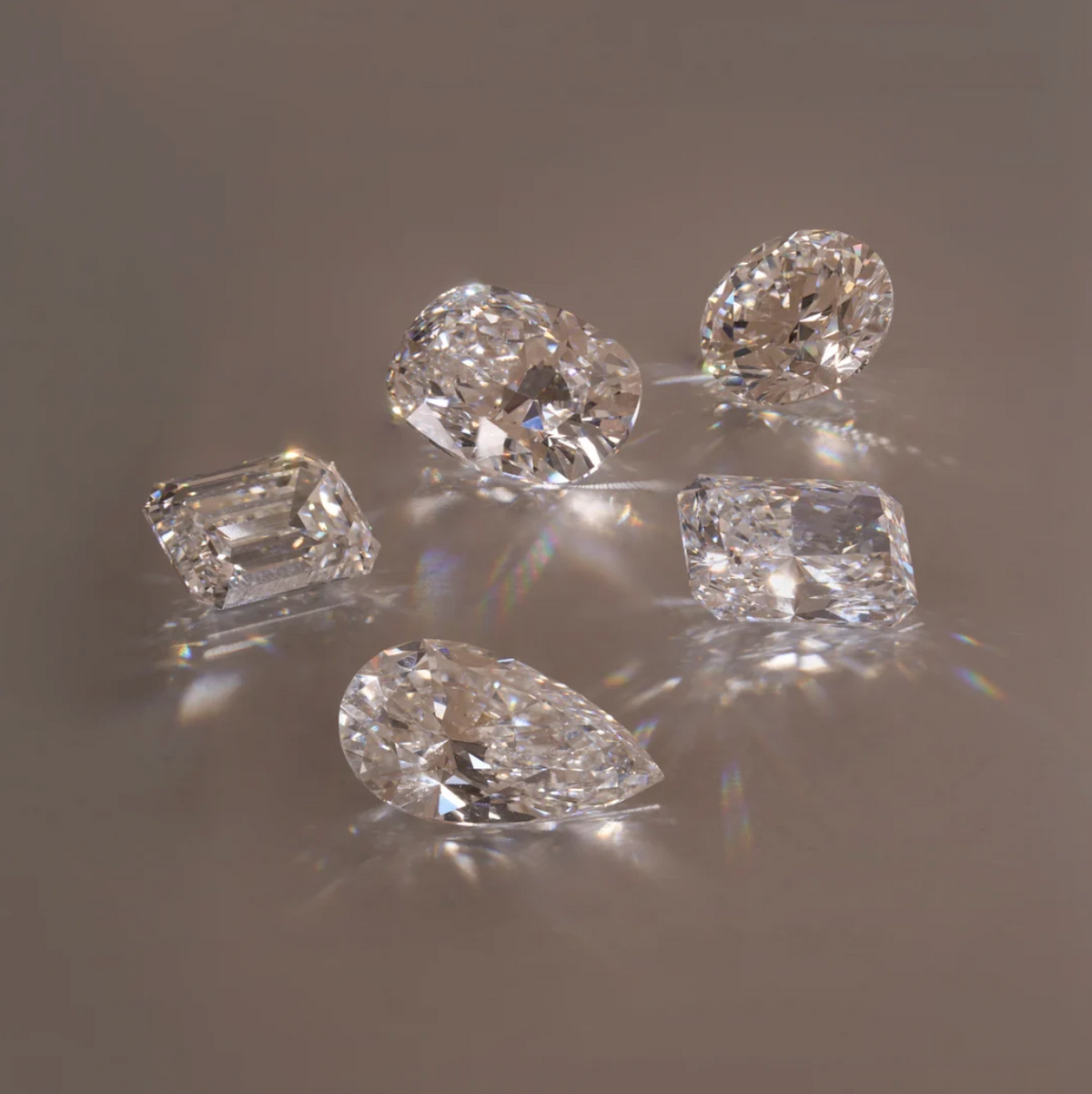
Lab-grown diamonds have essentially the same chemical composition and crystal structure as natural diamonds, so both are considered real diamonds, although their origins differ. To be clear, lab-grown diamonds aren’t imitations or diamond simulants like cubic zirconia and moissanite. The main difference is that one forms naturally beneath the Earth, while the other is produced through a technological process.
Do Lab-Grown and Natural Diamonds Differ in Appearance and Durability?
When it comes to everyday wear, neither option has an advantage over the other. Both can offer the brilliance and fire associated with diamonds and rank 10 on the Mohs hardness scale, making them highly resistant to scratching. Your choice won’t affect how much sparkle your engagement ring has or how well the stone holds up to regular wear.
You may also notice that diamonds of either type can have different levels of brilliance depending on their cut. A well-cut stone reflects light beautifully, while a poorly cut one may appear less lively.
Lab Grown vs. Natural Diamonds: Which Costs More?
Natural diamonds generally cost considerably more than lab-grown diamonds with similar carat weight and quality grades. Their limited natural supply and the long geological process behind their formation contribute to their market value.
Lab-grown diamonds are usually more affordable because they can be produced in controlled environments. As production technology has improved, their prices have become increasingly accessible, making lab-grown diamond engagement rings an attractive option if you’re working with a limited budget.
You could choose a larger lab-grown diamond without spending as much as you would on a smaller natural stone. Alternatively, you could keep the same carat size and put more of your budget towards a setting or other details of the ring.
Neither approach is automatically better. Think about the overall design you want and how much you’re comfortable allocating to the center stone.
What About Resale Value?
If you expect to sell your engagement ring at some point, resale value is something to consider before buying.
Natural diamonds generally have a more established secondhand market than lab-grown stones. Their geological rarity and limited supply contribute to continued demand, which makes natural diamond engagement rings appealing to buyers who appreciate these qualities. But this doesn’t mean you’ll recover the original purchase price if you decide to sell.
However, it’s important not to treat either diamond type as a financial investment. Retail prices and resale offers are different, and the amount you could receive later depends on market conditions and the individual stone.
If you intend to keep your engagement ring as a personal or family heirloom, resale value may not be a major consideration. But if future resale or trade-in options matter to you, natural diamonds have an advantage in today’s market.
Are Lab-Grown Diamonds More Ethical and Environmentally Friendly?
Many buyers consider environmental and ethical concerns when choosing an engagement ring. Lab-grown diamonds are often presented as the more sustainable option because they don’t require traditional diamond mining.
However, lab-grown diamond production still consumes energy, and its environmental impact depends partly on how that energy is generated. Manufacturers that use renewable energy can have a smaller carbon footprint than those relying heavily on fossil fuels.
Natural diamond mining can affect local ecosystems and communities. Responsible sourcing practices and greater transparency within the diamond industry have helped address some of these concerns, but the conditions vary between producers.
Neither option is automatically ethical or environmentally friendly in every circumstance. If these issues matter to you, ask about the diamond’s origin and the manufacturer’s sourcing or production practices before making a purchase.
Which Diamond Should You Choose for Your Engagement Ring?
Now that you understand the main differences, the decision becomes easier when you consider your priorities.
A lab-grown diamond may be the right choice if you want a beautiful engagement ring while keeping your spending under control. The lower price can give you more flexibility with carat size or allow you to choose a setting with additional design details.
Natural diamonds may appeal more if you appreciate the idea of owning a stone formed beneath the Earth’s surface over billions of years. Their rarity and established resale market can also appeal to buyers who value those qualities.
When considering lab grown vs. natural diamonds, remember that the origin of the stone doesn’t determine how meaningful your engagement ring will be. Both options can make beautiful center stones, and neither takes away from the commitment the ring represents.
Before deciding, compare individual diamonds with similar specifications. Pay attention to their grading reports and examine the cut carefully, since these details have a significant effect on appearance.
Find an Engagement Ring You’ll Love
The best engagement ring is one that reflects your personal taste and fits comfortably within your budget. You don’t have to choose a natural diamond simply because it’s traditional, and you don’t have to choose a lab-grown stone just because it costs less.
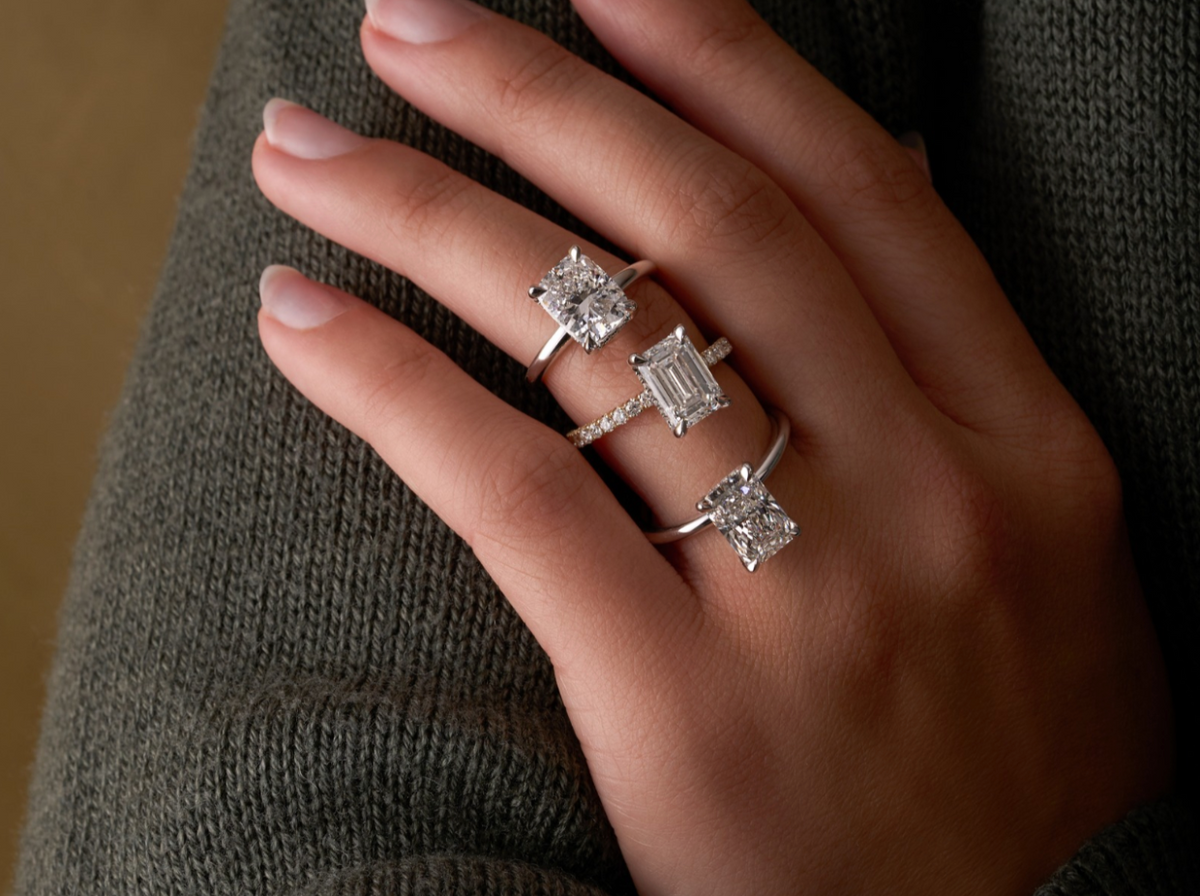
At Happy Jewelers, you can explore beautiful engagement ring designs featuring both natural and lab-grown diamonds. Browse our engagement ring collection to find a style that catches your eye.
Have a particular design in mind? Reach out to our team about creating a custom engagement ring that reflects your vision. Your perfect ring may be closer than you think.
Share:
What Is a Cathedral Engagement Ring? Everything You Need to Know
How to Choose Hypoallergenic Jewelry for Sensitive Skin