


When it comes to choosing the right diamond shape, your finger proportions play a crucial role. This guide will help you evaluate your finger length, width, and hand size, understand the visual effects of popular shapes, and choose settings that maximize comfort and sparkle.
By considering these factors, you can confidently answer the question, 'What ring shape is best for me?' based on your unique proportions and style.
A Quick Tour of Diamond Shapes
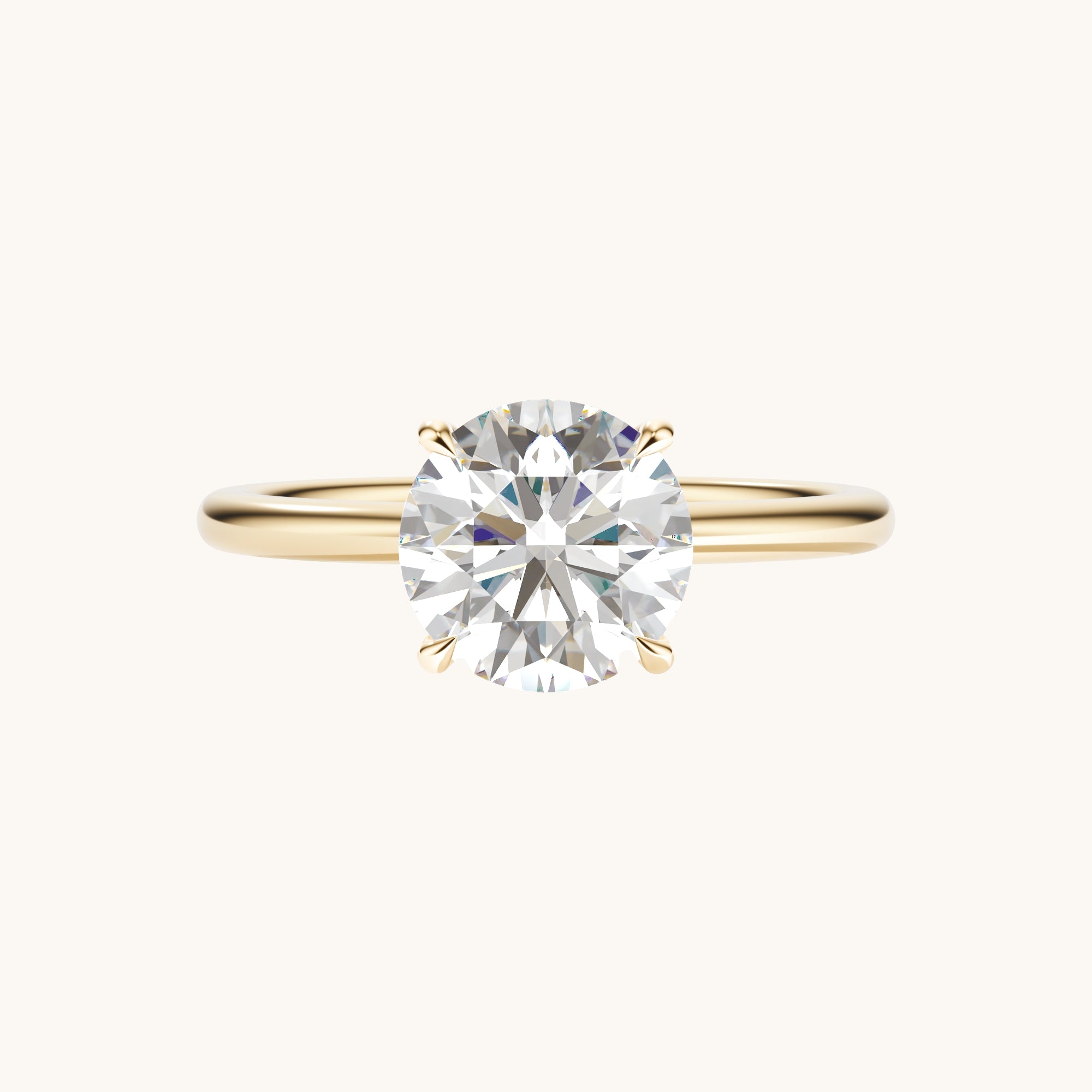
- Round Brilliant: Maximum sparkle, timeless, suits most hands.
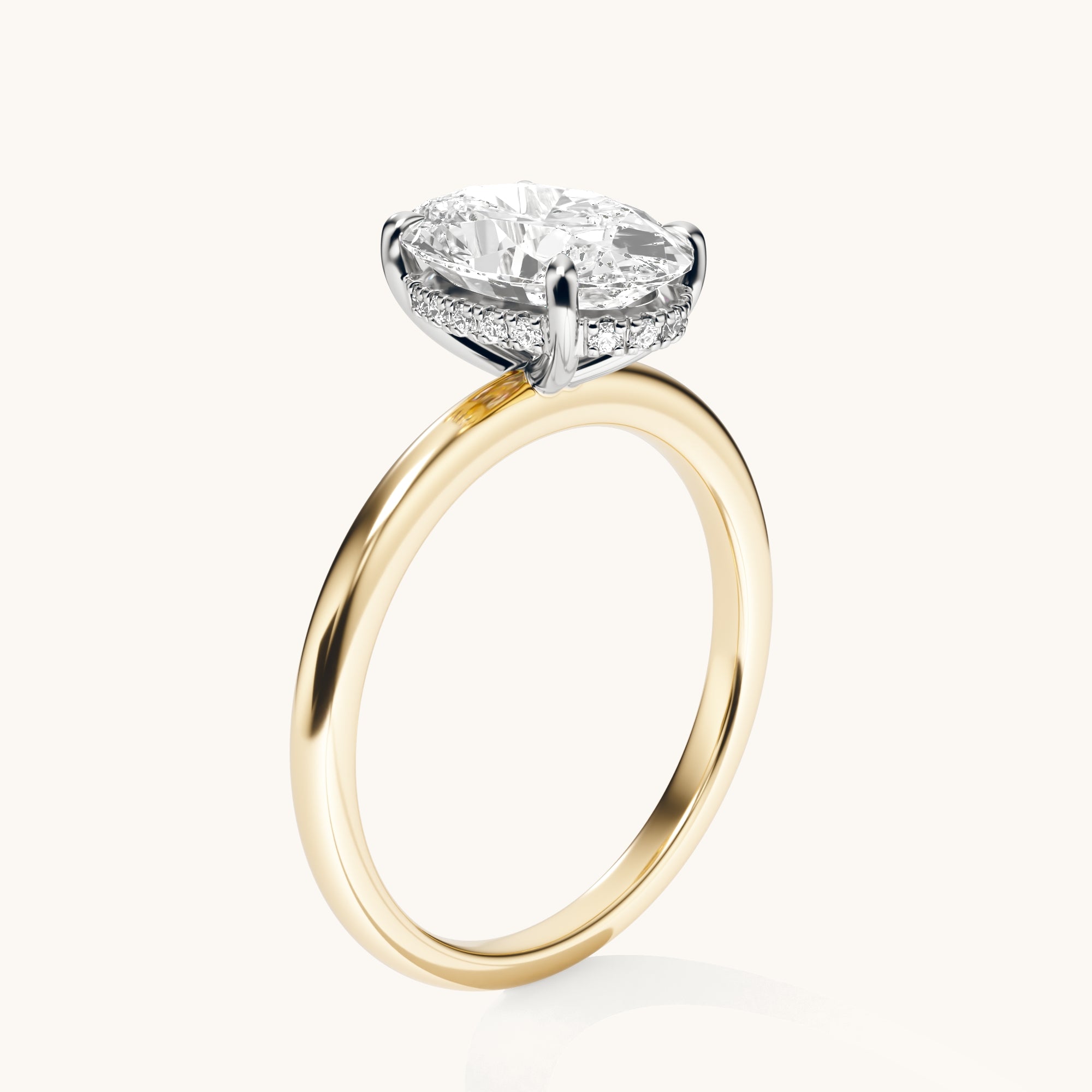
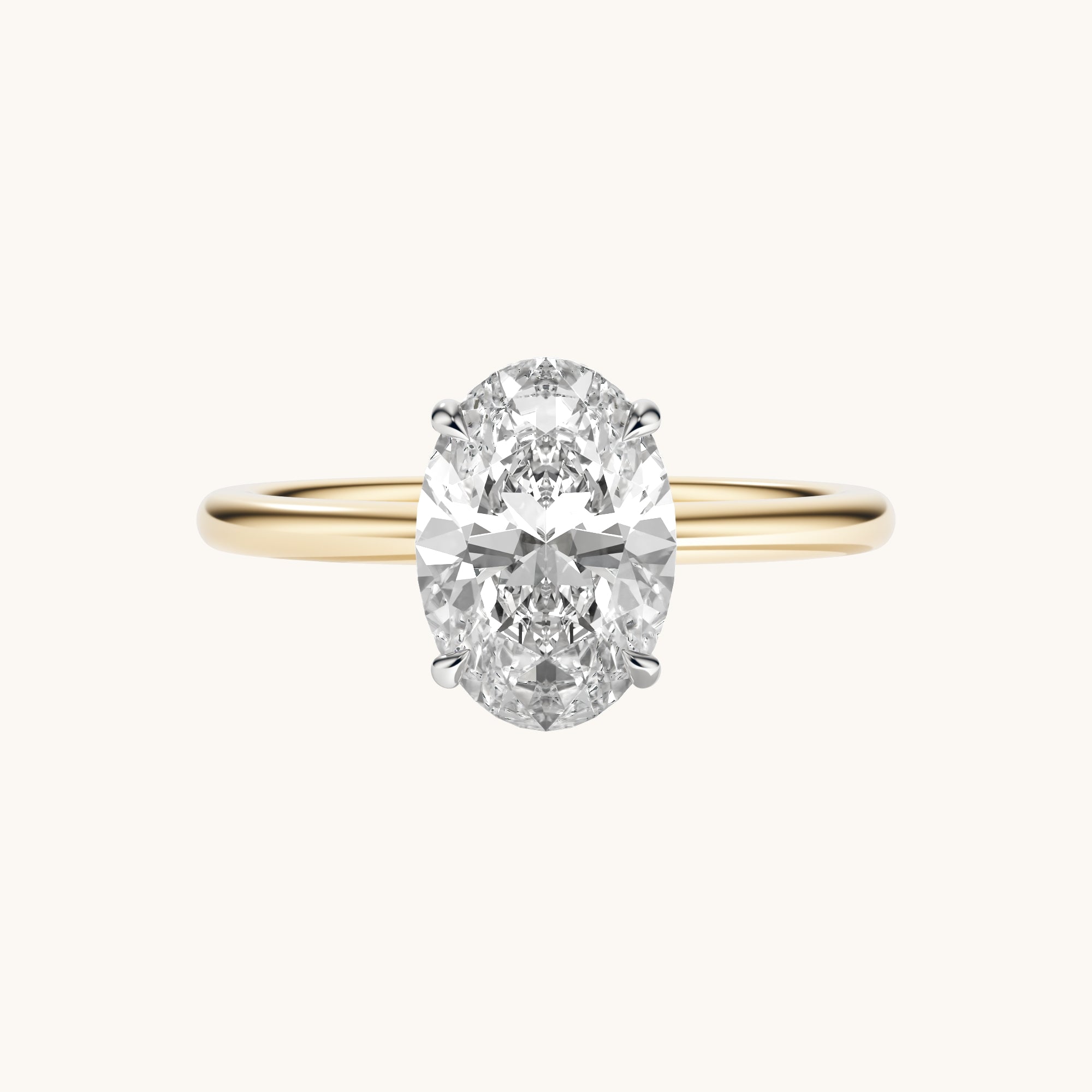
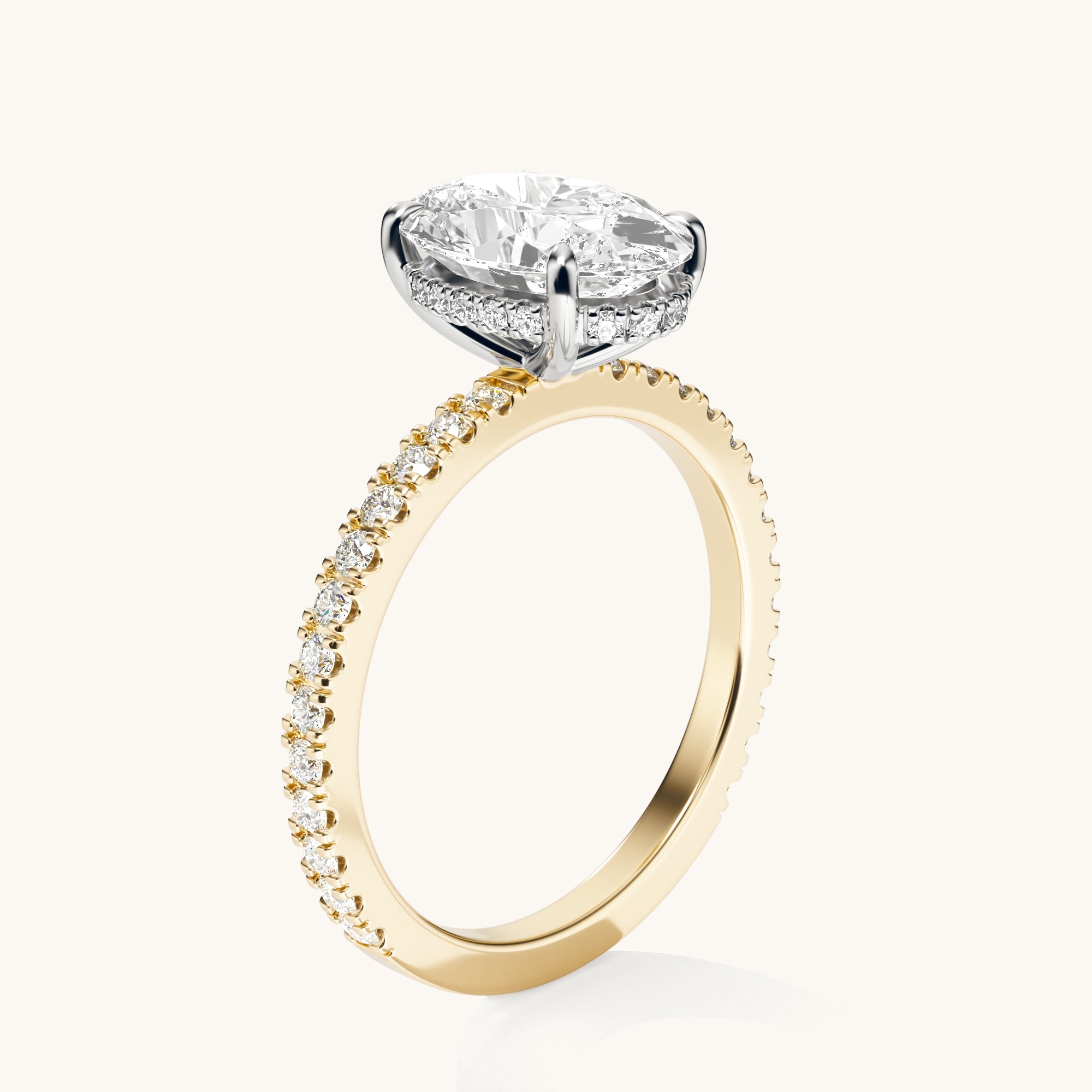
- Oval: Elongating effect; looks larger face-up per carat than a round of the same weight.
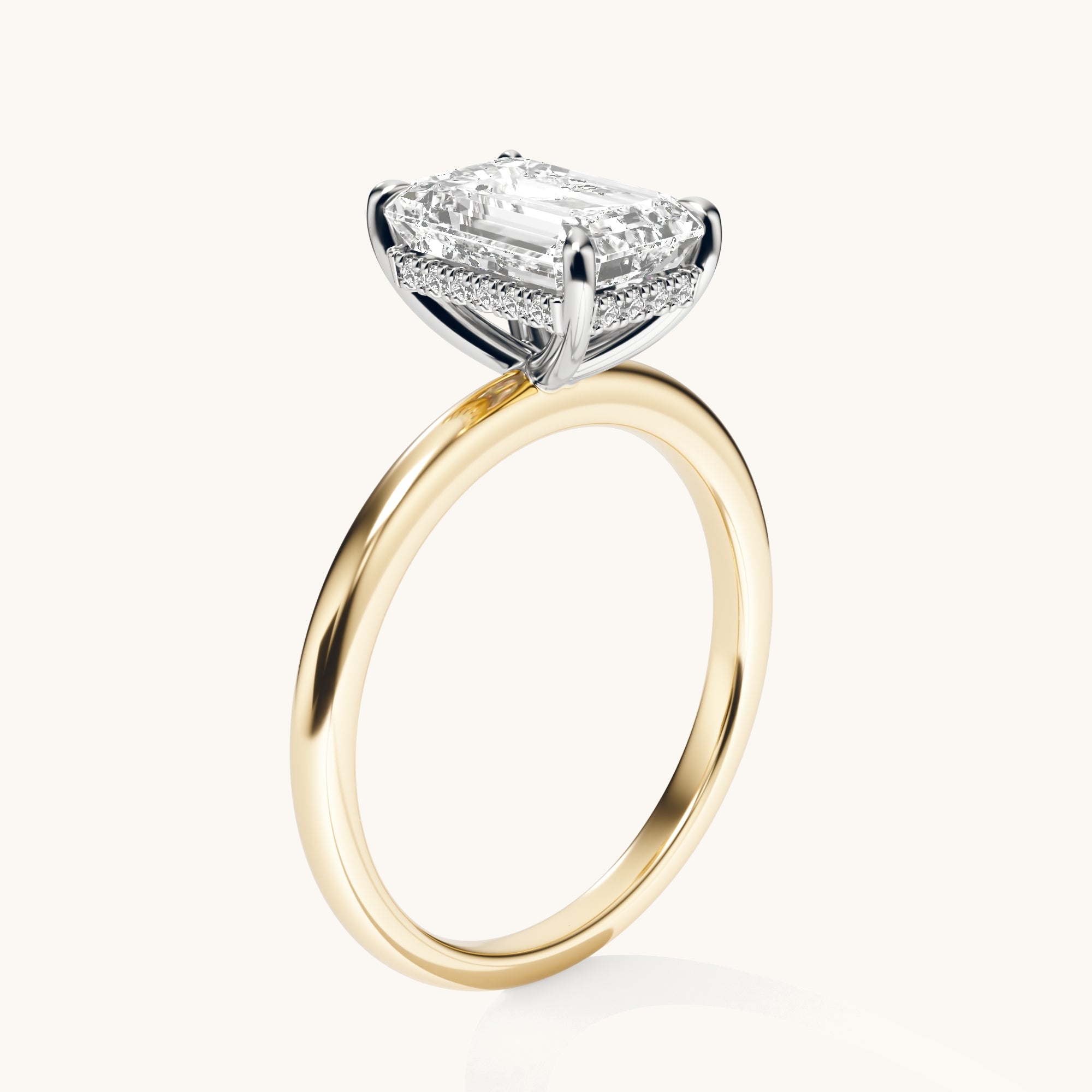
- Emerald: With clean, mirror-like flashes, it exudes an elegant and modern charm. It's a shape that not only showcases clarity but also adds a touch of sophistication to your style.
- Cushion: Soft square or rectangular outline; romantic, versatile (chunky or elongated).
- Princess: Sharp corners, contemporary “X” faceting; bold look, especially in solitaires.
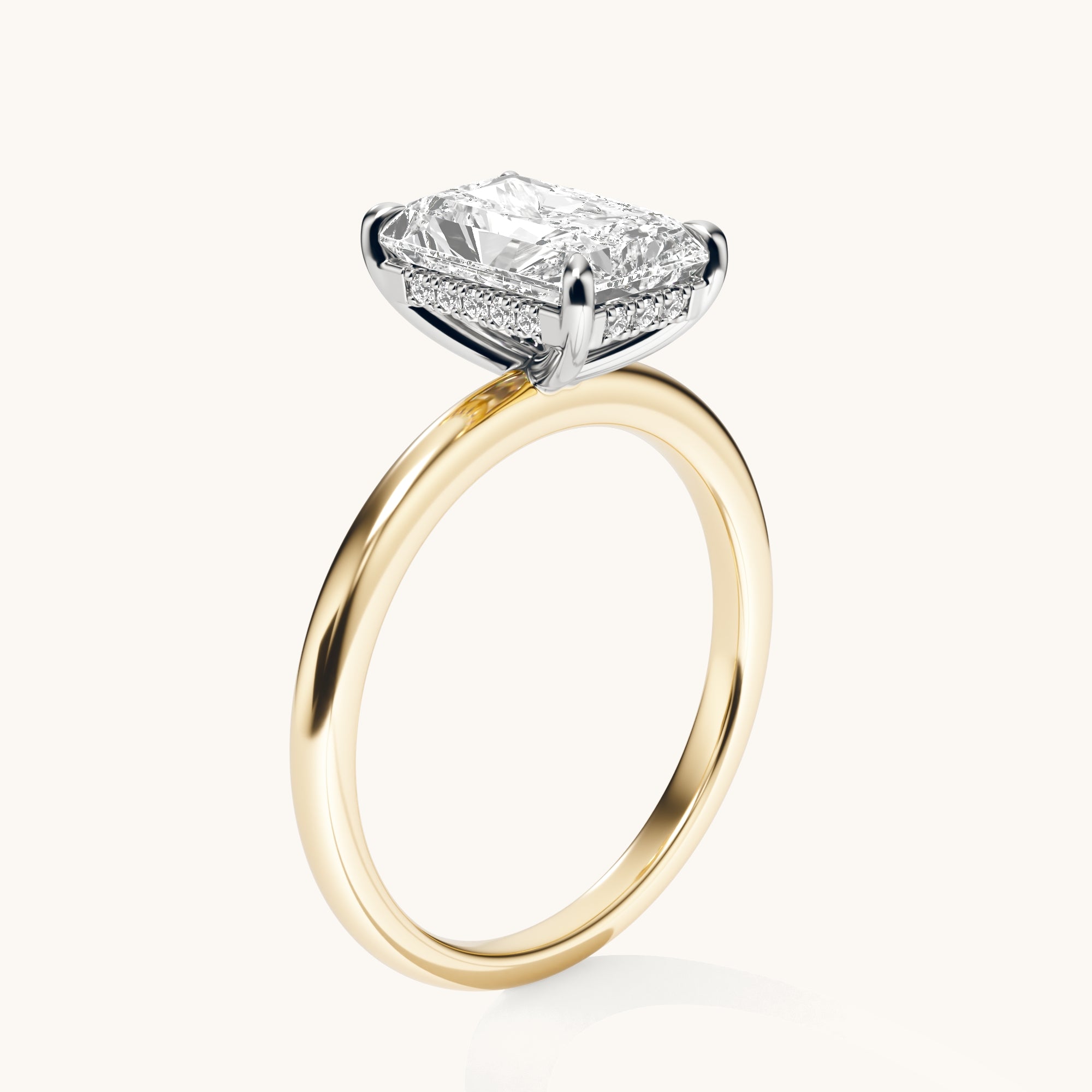
- Radiant: Sparkly hybrid of brilliant and step styles; square or rectangular.
- Pear: Tapered teardrop that lengthens the finger; can be worn point up or down.
- Marquise: Dramatic ends create maximum length and presence; vintage glam.
- Asscher: Square step cut with windmill facets; geometric, Art Deco feel.
- Heart: Playful and symbolic; best at higher carat weights for clear outline.
Start With Your Finger Proportions
If your fingers are short
Choose elongated shapes: oval, pear, emerald, radiant, marquise, or an elongated cushion. These draw the eye along the finger and add visual length. Keep bands slim (1.6–2.0 mm) and consider a north-south oriented solitaire or a delicate halo.
If your fingers are long and slender
You can wear almost any shape. To add presence, try a round, cushion, princess, or Asscher. Slightly wider bands or three-stone styles provide balance so the center doesn’t look too small.
If your fingers are wide
Look for shapes with coverage from side to side: oval, marquise, radiant, cushion, or round with a halo. Split shanks, east-west settings (especially for emerald or oval), and medium band widths (2.0–2.5 mm) help proportion the look.
If your hands are petite
Pick compact shapes and settings that don’t overwhelm: round, oval (modest L/W), petite cushion, Asscher. Keep prongs delicate and halos fine-beaded to maintain scale.
How Shapes Change What You See (Visual “Optics”)
- Face-up size: Ovals, pears, marquises, and radiants can appear larger at the same carat weight because more weight is concentrated in the face-up spread rather than depth.
- Sparkle style: Brilliant-style shapes (round, oval, pear, cushion brilliant, radiant) deliver tiny, lively flashes. Step cuts (emerald, Asscher) deliver broad, mirror-like flashes and highlight clarity and cut precision.
- Finger illusion: Elongated shapes lengthen; square shapes broaden; halos and pavé add visual footprint without increasing carat.
Proportion Pointers (Length-To-Width Ratios)
Use these as starting ranges, then follow your eye:
- Oval: Classic around 1.35–1.50 (more elongated above 1.50).
- Emerald: Elegant around 1.30–1.50.
- Radiant: Square \~1.00–1.05; rectangular 1.15–1.35.
- Cushion: Square 1.00–1.10; elongated 1.15–1.25.
- Marquise: Dramatic at 1.90–2.20.
- Princess & Asscher: Ideally near 1.00 (true square).
- Pear: Balanced around 1.45–1.60 (point feels too stubby below \~1.40 for many).
These ranges affect the finger illusion: higher ratios elongate, lower ratios add width and presence.
Settings That Amplify Shape (Without Blowing the Budget)
- Halo: Adds 1–2 mm of visible spread; great for petite hands or when you want more presence from a modest carat.
- Bezel: Clean, protective rim; softens corners (princess/radiant) and modernizes rounds and ovals.
- Cathedral: Swept shoulders elevate the center, adding stature without extra stones.
- Three-stone: Beautiful for balance—pair an elongated center (oval/emerald) with tapered baguettes or trillions to fine-tune width.
- East-west: Lays rectangular or oval centers horizontally; chic on wide fingers and great for everyday wear.
- Hidden halo/under-gallery accents: Sparkle from side angles; keeps the top view clean.
Matching Shape to Lifestyle and Care
- If you lead an active, hands-on lifestyle, certain diamond shapes can offer practicality and durability. Consider the round, oval, cushion, or radiant shapes in sturdier settings. Bezels or low-set solitaires can be a practical choice, offering both style and functionality.
- Concerned about catching corners: Prefer round/oval/cushion or protect sharp corners (princess, radiant, marquise) with V-prongs or bezels.
- Step-cut lovers: Prioritize excellent symmetry and clarity; step cuts are honest—beauty comes from precision rather than “busy” sparkle.
Nail Shape and Band Width
- Nail shape: Almond or oval nails reinforce the elongation of oval, pear, and marquise. Squoval or square nails pair nicely with round, princess, Asscher, and cushion cuts.
- Band width: Thinner bands elongate; wider bands add substance and can make a small center feel proportionate on wide fingers.
Carat Strategy: Looking Bigger Without Going Bigger
- Elongated shapes (oval, pear, marquise, radiant) often look larger per carat.
- Shallow to ideal depths (not too deep) push more weight face-up.
- Bright halos and well-spaced prongs increase perceived size.
- Clean, bright cuts outshine slightly larger but poorly cut stones.
- Finger-to-ring scale: On smaller ring sizes, even 0.90–1.00 ct rounds can look substantial; on larger sizes, elongated shapes maintain presence without jumping carat tiers.
What Ring Shape Is Best for Me? — Quick Matches by Finger Type
- Short fingers: Oval, pear, marquise, emerald, elongated cushion; slim band; north-south orientation.
- Long, slender fingers: Round, cushion, princess, Asscher; medium band or three-stone for balance.
- Wide fingers: Oval, radiant, cushion, round (with halo); split shank or east-west emerald to span width.
- Petite hands: Round, oval, Asscher, petite cushion; fine halos and delicate prongs keep the scale graceful.
This grid won't replace your eye, but it's a reliable start when you're asking yourself, What ring shape is best for me.
Try-On Checklist (Before You Decide)
- Compare shapes in the same carat weight under daylight and indoor lighting.
- Photograph your hand straight-on and angled—shapes read differently on camera.
- Test everyday comfort: Close your fist, slide on a sweater sleeve—do corners catch?
- Check proportion with bands: Try thin vs. medium widths; add a contour band if you plan a stack.
- Move your hand: Brilliant shapes should sparkle with subtle movement; step cuts should flash in broad panels.
Bottom Line
Your hand is unique, and the right shape should flatter your proportions, match your lifestyle, and make you smile every day. Use the guidance above to narrow your shortlist, and then try your favorites in person.
When you visit Happy Jewelers, our specialists can refine proportions, choose protective settings, and tailor metal and band width, so the answer to what ring shape is best for me feels obvious the moment you slip it on.


Share:
White Gold vs. Silver: What’s the Best Choice for Your Jewelry?
High Karat Gold: The Complete Guide to Understanding Gold Quality